Australian consumer sentiment unexpectedly rose in June, despite a sharp increase in petrol prices that had been expected to weigh on household confidence. The Westpac-Melbourne Institute consumer sentiment index climbed 2.1% to 84.6 points in June, from 82.9 in May. The reading, however, remains in deeply pessimistic territory, with a reading below 100 indicating that pessimists outnumber optimists.
Key Drivers of the Uptick
The improvement was driven largely by a more optimistic outlook for the economy and employment. The index measuring expectations for the economy over the next 12 months rose 5.7%, while the measure for the next five years gained 3.8%. The unemployment expectations index fell 3.2%, suggesting fewer consumers expect the jobless rate to rise.
Impact of Gas Prices
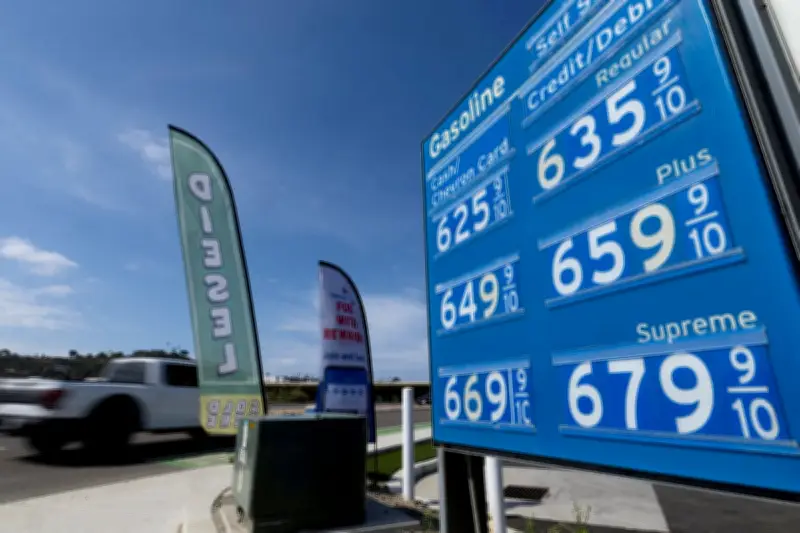
Petrol prices surged in June, with the average price of unleaded petrol rising to around $2.10 per litre, up from $1.90 in May. This had been expected to hurt sentiment, but the survey showed a mixed impact. While the measure of family finances compared to a year ago fell 0.6%, the outlook for family finances over the next 12 months improved 1.4%.

Interest Rate Expectations
The survey also showed that consumers are becoming more confident that interest rates will not rise further. The proportion of respondents expecting rates to increase over the next 12 months fell to 38%, from 44% in May. This is the lowest level since February 2022, before the Reserve Bank began its tightening cycle.
Housing Market Sentiment
The time to buy a dwelling index rose 3.8% in June, but remains at very low levels. House price expectations edged up 1.1%, with consumers expecting prices to rise 3.2% over the next year, up from 3% in May.
Outlook
Westpac senior economist Matthew Hassan said the resilience of consumer sentiment was surprising given the rise in petrol prices. “The fact that sentiment improved despite the petrol price spike suggests that other factors, particularly the strong labour market and the expectation that interest rates have peaked, are providing support,” he said. However, he cautioned that the index remains at levels consistent with a weak economy and subdued consumer spending.
The survey was conducted from June 3 to June 7, before the RBA’s decision to hold the cash rate steady at 4.35%. The central bank has left rates unchanged since November last year, and markets expect the next move to be a cut, possibly as early as November.