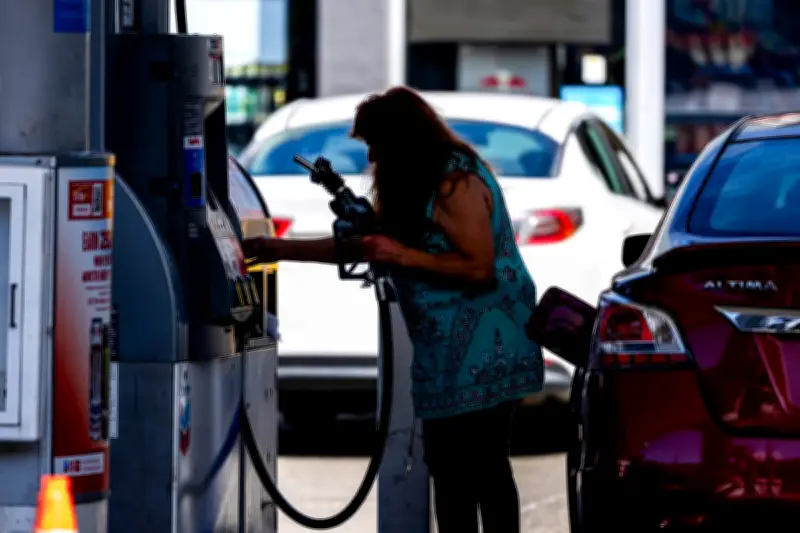
Ninety-five per cent of Americans believe the US is suffering an affordability crisis, as many report trouble with the rising cost of groceries and gas, according to an exclusive new poll conducted for the Guardian by the Harris Poll.
Economic Pessimism Worsens
The survey paints a bleak picture of how people feel about the US economy amid the war in Iran and ahead of key midterm elections this fall. Despite stable employment and record-high stock markets, more Americans believe the overall economy is getting worse (57%) than in February (46%), when the poll was last conducted and before the Middle East conflict sent gas prices soaring. Fewer people today believe the economy is getting better (16%, compared with 28% in February), and more say their financial security has deteriorated.
Cross-Party Struggle
The affordability struggle crosses party lines: about half of all Democrats, Republicans, and independents say they are having trouble affording everyday necessities like gas and groceries. Two-thirds of Americans – including 49% of Republicans – expressed little faith that the federal government will improve the cost-of-living crisis.

Though Republicans had been far more optimistic about the economy than Democrats and independents under Donald Trump’s second term, the war in Iran seems to have soured those in the president’s base. While 49% of Republicans said the economy was getting better in February, just 27% said the same in the new poll. Meanwhile, 38% of Republicans now say the economy is getting worse, compared with 22% in February.
Rural Communities Hit Hard
Even rural Americans, a strong Republican base, are feeling more pessimistic: 64% say the economy is getting worse, up from 46% in February. Rural respondents were also the most likely to say that good job opportunities have disappeared over the past year and that tariffs have negatively affected American manufacturing jobs.
Cratering economic sentiment may cause problems for the Republican party, which is trying to maintain a narrow control of Congress in the upcoming midterm elections. Even as his party has appealed to working-class voters, Trump has offered a whiplash reaction to the affordability issue, simultaneously denying it exists while trying to exert power to bring down prices. Though Brent crude has fallen sharply since the US and Iran signed a peace deal in June, US gas prices at the pump have been slow to drop to prewar levels.
After dismissing high gas prices, Trump and his treasury secretary demanded that oil and gas companies lower prices ahead of the 250th anniversary of America’s Independence. He also recently derailed a bipartisan housing bill aimed at tackling the affordable housing shortage, calling it of “minor importance” compared with other priorities, including unproven claims of voter fraud.
Democrats Face Skepticism
The poll also showed worrying signs for Democrats, who have been trying to convince independent voters that the party can solve the affordability crisis. Among independent voters who believe there is an affordability crisis, more than half (54%) said that neither party has a solution.
The Harris survey highlighted discrepancies between job opportunities Americans see locally and overall labor market data. The most recent jobs report, released by the Bureau of Labor Statistics on Thursday, found that the labor market has remained relatively strong, with an average of 111,000 new jobs added over the past three months.
Rising inflation brought on by the war has wiped out wage gains over the past year. In May, the annual rate of inflation rose to 4.2%, while average hourly earnings decreased 0.7% compared with the year before. Meanwhile, about half of those polled said they are struggling to afford their debt, including student loan debt, which has been subject to stricter payment plans under the Trump administration.
This survey was conducted online within the US by the Harris Poll from 28 May to 6 June 2026, among a nationally representative sample of 4,100 US adults.