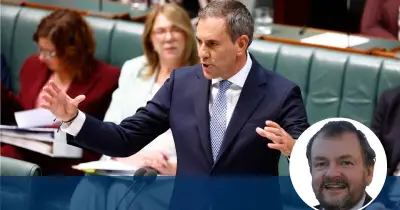
The Albanese government has unveiled a significant shift in its controversial capital gains tax reforms, broadening exemptions for small businesses, start-ups, and testamentary trusts. The changes, announced just hours before a Senate inquiry report is due, will shield millions of businesses and investors from parts of the budget reforms that had sparked widespread opposition.
Key Changes to Small Business CGT Discount
Financial commentator Rachel Cole told Sunrise on Friday that the most notable concession is the increase in the turnover threshold for the existing small business capital gains tax discount from $2 million to $10 million. This adjustment means more small businesses will qualify for the 50 per cent capital gains tax discount when they sell their assets.
Cole explained that an additional 200,000 businesses will now be eligible, raising the coverage from 91 per cent to 98 per cent of all businesses. She cited examples like medical centres with multiple practices, which typically have turnovers between $2 million and $10 million.

The government stated that this change ensures all 2.7 million active small businesses remain eligible for generous CGT concessions and aligns the threshold with other business tax measures, such as the instant asset write-off.
Start-ups Benefit from New Concession
Start-ups are also major winners under the revised plan. A proposed Innovative Business CGT Concession allows founders, early investors, and employee share scheme participants in eligible start-ups to choose between a 50 per cent CGT discount and the government's new inflation-adjusted tax method.
Cole emphasized that this move aims to prevent promising Australian companies from relocating overseas for better tax treatment. She cited examples like Canva and Atlassian, hoping they will remain in Australia due to favourable tax policies.
To qualify, companies generally must be less than 10 years old, have annual turnover below $50 million, and meet innovation criteria. Eligible investors must hold shares for at least five years.
Testamentary Trusts Exempted
The government has also backed away from proposed changes affecting testamentary trusts, which manage inherited assets. Around 10,000 Australians use these trusts, representing about 1 per cent of the nation's trust structures. Under the revised approach, income from testamentary trusts, including rental income from inherited properties, will be exempt from the proposed minimum tax arrangements.
Government Defends Reforms
The Albanese Government insists that the changes do not alter the core purpose of the broader tax reform package, which aims to improve housing affordability, cut taxes for workers, and create a fairer tax system. However, the concessions represent a significant softening of the original reforms after extensive consultation with business groups, investors, and industry stakeholders.
Health Minister Mark Butler defended the decision on Sunrise, stating that tax reform is complex and the government always intended to consult on how the measures would operate. He described the changes as sensible and rejected claims of a backdown, arguing that consultation and refinement are normal parts of major tax reform.
While further consultation will continue on some aspects, particularly around trusts and start-ups, Cole noted that Australians hoping for additional changes to property-related reforms are likely to be disappointed.