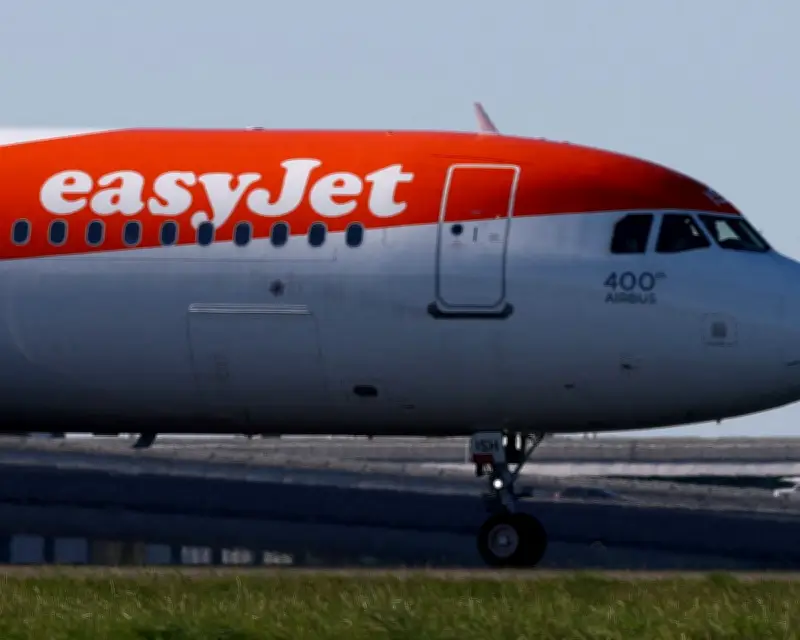
EasyJet's board has accepted a takeover bid from a US private equity firm, raising concerns about the airline's future independence and shareholder value.
Board's Decision Sparks Debate
The board of EasyJet has agreed to a takeover offer from a US-based private equity firm, a move that has been criticized as a premature surrender by some analysts. The decision, announced on Wednesday, values the low-cost carrier at approximately £3.6 billion, including debt.
According to Nils Pratley, the Guardian's financial editor, the board's acceptance came after only a brief period of negotiation, with little apparent attempt to secure a higher price or explore alternative bids. The offer of 450p per share represents a 25% premium over the airline's closing price before the bid was made public.

Shareholder Concerns
Shareholders have expressed mixed reactions, with some questioning whether the board has adequately protected their interests. The deal still requires shareholder approval, with a vote expected within the next few weeks. One major institutional investor, speaking on condition of anonymity, said: "We are disappointed that the board did not push for a better price. This seems like a quick fix rather than a strategic move."
The US bidder, which has not been named in the original article, is believed to be a private equity group with existing investments in the aviation sector. EasyJet's management has argued that the offer provides certainty in a volatile market, but critics counter that the airline's strong brand and route network could have commanded a higher valuation.
Industry Impact
The takeover would mark a significant shift in the European aviation landscape, potentially reducing competition and consolidating power in the hands of private equity. EasyJet, founded in 1995, has been a stalwart of budget travel, carrying over 80 million passengers annually before the pandemic. The airline's recovery has been steady, with passenger numbers reaching 90% of pre-COVID levels in the latest quarter.
Analysts at Citigroup noted that the offer undervalues EasyJet's potential, especially given the recent uptick in travel demand and the airline's strong balance sheet. "The board has surrendered too easily," said analyst Andrew Light. "There was room to negotiate a higher price or seek alternative suitors."
Regulatory Hurdles
The deal is subject to regulatory approval from UK and European competition authorities. Given the political sensitivity around foreign ownership of critical infrastructure, the government may scrutinize the takeover closely. Transport Secretary Louise Haigh has indicated that the government will monitor the situation to ensure consumer interests are protected.
EasyJet's board, led by Chairman Stephen Hester, has defended the decision, stating that the offer represents "fair value" and provides stability for employees and customers. However, with the airline's shares trading above the offer price in recent days, some investors are betting that a higher bid could emerge.
Conclusion
The EasyJet board's acceptance of the US bid has sparked a broader debate about corporate governance and the pressures facing UK companies in a globalized market. As the shareholder vote approaches, the spotlight will remain on whether the board has indeed acted in the best interests of all stakeholders, or whether it has given in too easily to a foreign bidder.