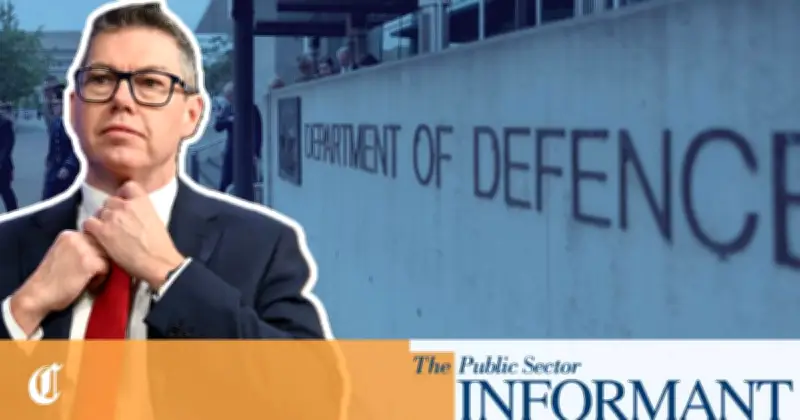
Defence Minister Pat Conroy has squarely blamed systemic failures for the persistent cost blowouts and schedule delays plaguing Australia's major defence acquisition projects, stating that the problem lies with the system rather than individual performance.
Systemic Issues at Core
Speaking at the Australian Strategic Policy Institute conference in Canberra on Tuesday, Conroy argued that the current defence procurement framework is fundamentally flawed. He pointed to a culture of over-optimism in cost and timeline estimates, lack of accountability, and insufficient oversight as key contributors to the recurring problems. According to Conroy, the system incentivises unrealistic promises to secure project approval, leading to inevitable overruns later.
“We have a system that encourages people to be too optimistic about costs and schedules, because if you are realistic, your project might not get approved,” Conroy said. “This is not about pointing fingers at individuals; it's about fixing the system that allows these failures to happen repeatedly.”

Billions in Overruns
The minister's comments come amid a series of high-profile defence projects exceeding their budgets and timelines. The government's own data shows that the top 10 projects alone have accumulated over $10 billion in cost blowouts and delays averaging more than two years. Notable examples include the Hunter-class frigate program, which has seen costs rise by $1.5 billion, and the $3 billion LAND 400 Phase 3 infantry fighting vehicle project, which is behind schedule.
Conroy emphasised that these issues undermine Australia's defence preparedness and erode public trust. “We cannot afford to keep repeating the same mistakes. Our national security depends on getting these projects right,” he said.
Proposed Reforms
To address the systemic problems, Conroy outlined several reform measures. These include introducing independent cost estimation, strengthening oversight by the Defence Department's Capability Acquisition and Sustainment Group (CASG), and implementing stricter gatekeeping processes at key project milestones. He also called for greater transparency in reporting to the public and parliament.
“We need to move from a culture of optimism to a culture of realism,” Conroy stated. “That means independent verification of cost and schedule estimates, and real consequences for projects that fail to meet their benchmarks.”
Industry Reaction
The defence industry has welcomed the minister's focus on systemic reform. The Australian Defence Industry Alliance (ADIA) issued a statement supporting the proposed changes, noting that industry has long advocated for more realistic expectations and streamlined processes. However, some experts caution that reform will take time and may face resistance from entrenched interests.
“The minister is right to identify the system as the problem,” said Dr. Marcus Hellyer, senior analyst at ASPI. “But changing a deeply ingrained culture within a large bureaucracy will be challenging. It requires sustained political will and a willingness to make difficult decisions.”
Broader Context
The criticism of the defence procurement system is not new. Previous reviews, including the 2020 Defence Strategic Update and the 2021 Force Structure Plan, have highlighted similar issues. Conroy's remarks signal that the Albanese government is prioritising reform in this area, with a detailed implementation plan expected later this year.
Conroy concluded by stressing the urgency of the situation. “We are in a challenging strategic environment. Our defence projects must deliver capability on time and on budget. The system must change, and it must change now.”