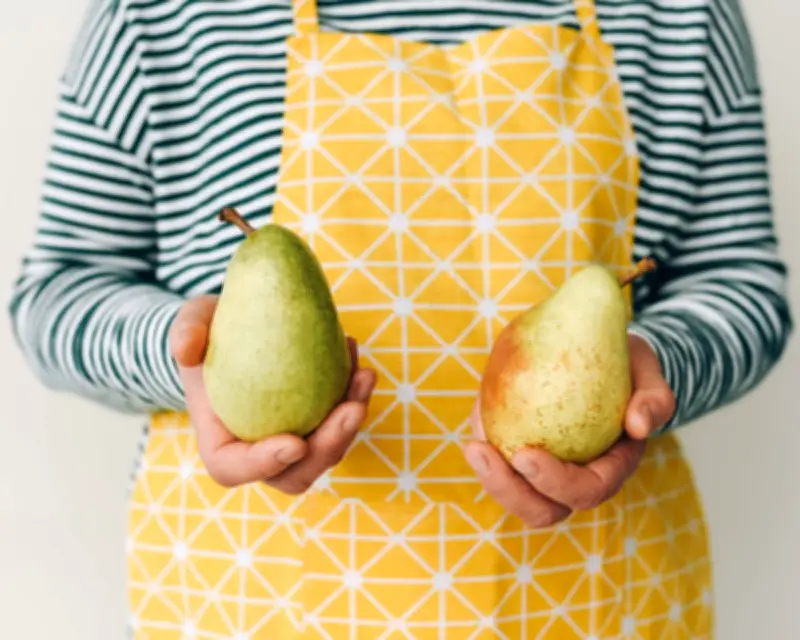
Readers have voiced their deep distrust of 'ripen at home' fruit and vegetables, noting that items like peaches, pears, and avocados often remain rock-hard for weeks or suddenly turn rotten overnight. This phenomenon, they argue, is a result of modern supply chains that prioritize year-round availability over taste and quality.
The Controlled-Atmosphere Revolution
According to a reader identified as leadballoon, about 50 years ago, French apples stored under 'atmosphère contrôlée' began competing with imports from South Africa and New Zealand in English supermarkets. This technique uses low temperatures, raised CO2, reduced oxygen, and controlled moisture to preserve apples for months. After storage, ethylene gas can be used to ripen them artificially. Varieties like Golden Delicious and Granny Smith, with tough skins, became dominant, but many found them lacking in flavor.
Now, controlled-atmosphere produce dominates the global market, with recipes tailored to individual fruits shipped worldwide. The pressure to keep all fruits on shelves year-round means underripe produce is common, as it reduces waste. Customers who take care can sometimes get riper fruit, but a percentage goes from hard to rotten due to misjudged picking dates.

Consumer Frustrations and Tips
Another reader, BaronOchs, calls this fruit 'rot in a basket,' especially nectarines and peaches. They recommend buying better quality, already ripe fruit and consuming it quickly. TwoRavens suggests using a brown paper bag to ripen peaches, checking daily, and refrigerating once ripe to extend shelf life by several days.
J63320 notes that fruit clings to the stone more than in the past, attributing this to early picking and storage in low-oxygen rooms, which prevents flavor development. LarkinAbout adds that high-sugar varieties like Pink Lady apples are popular because they taste sweet even after long storage, but overall, fruit is often bland.
Alternatives and Advice
DanNorwich recommends market stalls and independent shops for sensitive fruits, recalling a supermarket manager who claimed customers preferred hard peaches. Reddenbluesy points out that some fruits, like strawberries and citrus, are non-climacteric and cannot ripen after picking, unlike bananas. YebbutNo reminds that many fruits require home ripening anyway.
Librarynerd switched to frozen fruits and vegetables, finding them more reliable and cost-effective. WoeKarate accepts 'ripen at home' as necessary, noting that it requires more effort than before.