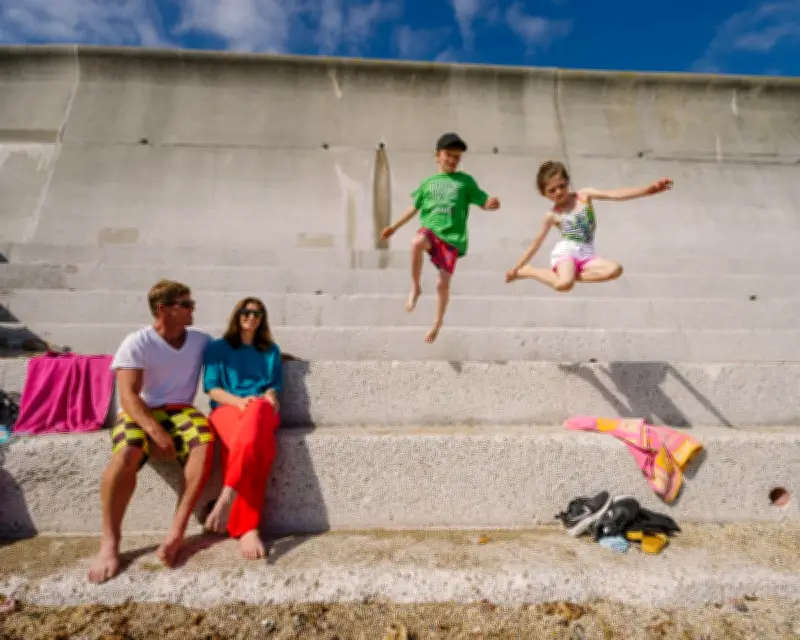
Summer holiday bookings in the UK have surged by more than 30% compared to last year, as a growing number of Britons choose to stay home rather than travel abroad, according to new industry data. The shift comes amid rising costs for overseas trips, driven by inflation, higher airfares, and a weaker pound, making domestic breaks increasingly attractive.
Data Reveals Sharp Rise in Domestic Bookings
Data from the UK tourism body VisitBritain shows that domestic holiday bookings for the June-to-August period are up 32% year-on-year, with coastal and countryside destinations seeing the strongest demand. Cornwall, the Lake District, and the Scottish Highlands have reported significant increases in reservations, while hotels and self-catering accommodations in these areas are nearing full occupancy for peak weeks.
“We are seeing a clear trend of Britons rediscovering the joys of a British holiday,” said a VisitBritain spokesperson. “The combination of cost-of-living pressures and the desire for simpler, more reliable getaways is driving this shift.”

Cost-of-Living Crisis Fuels Staycation Boom
The rise in staycations is closely linked to the ongoing cost-of-living crisis, which has squeezed household budgets. With average package holiday prices to popular European destinations like Spain and Greece rising by 15% to 20% this year, many families are opting for cheaper alternatives closer to home.
According to a survey by the consumer group Which?, 45% of UK adults planning a summer holiday said they were choosing a staycation to save money. The average cost of a week-long domestic break is estimated at £1,200 for a family of four, compared to £2,500 for a similar trip abroad.
Impact on Local Economies and Tourism Sector
The staycation boom is providing a much-needed boost to local economies in tourist hotspots, particularly in rural and coastal areas that have struggled since the pandemic. However, some businesses warn that the surge in demand is also leading to higher prices for accommodation and services, which could price out lower-income families.
“While it’s great to see so many people exploring the UK, we need to ensure that domestic tourism remains affordable and sustainable,” said a spokesperson for the Tourism Alliance. “Otherwise, there is a risk that the staycation trend could become a luxury for the better-off.”
Outlook for Remainder of Summer
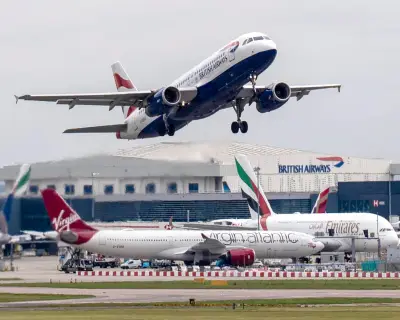
Industry experts expect the trend to continue through August and into the autumn half-term, as more Britons book last-minute breaks. Airlines and travel operators have reported a drop in overseas bookings, with some cutting capacity on popular routes to southern Europe.
The shift has also prompted a rise in investment in UK tourism infrastructure, with several hotel chains announcing plans to expand their domestic portfolios. However, concerns remain about the impact on the UK’s balance of payments, as money spent on domestic holidays stays within the economy rather than flowing abroad.