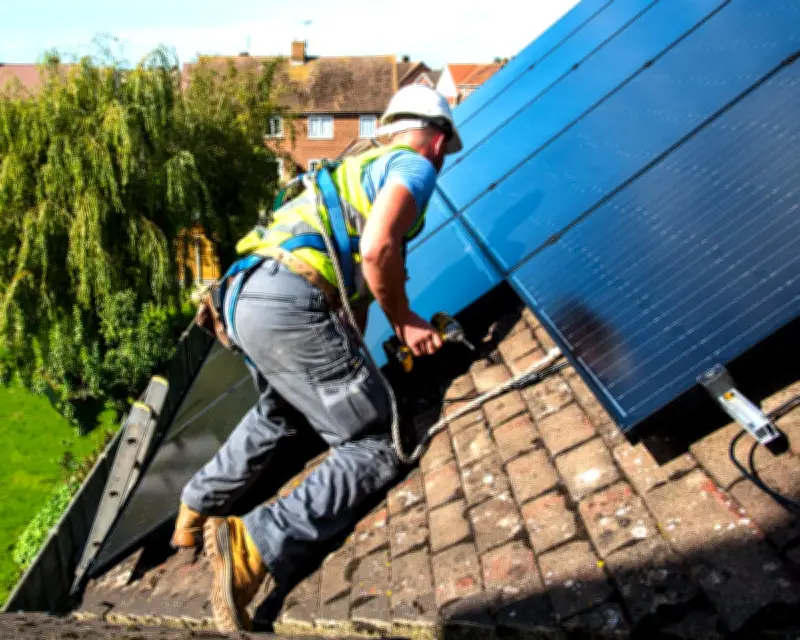
Low-cost government-backed loans for rooftop solar panels could save Australian households hundreds of dollars annually on electricity bills, according to a new analysis by two prominent thinktanks. The report, released Wednesday by the Grattan Institute and the Australia Institute, found that a typical household installing a 6.6kW solar system with a low-interest loan of $5,000 could save between $400 and $600 per year on energy costs.
Loan Scheme Details
The proposed loan scheme would offer interest rates of around 2-3%, significantly lower than typical personal loan rates for solar installations. The thinktanks estimate that such a program could cost the federal government up to $1.2 billion over a decade, but would deliver net benefits to households and the economy. The report notes that about 3.3 million Australian homes have already installed rooftop solar, but many low-income households and renters have been left behind due to upfront costs.
Targeting Low-Income Households
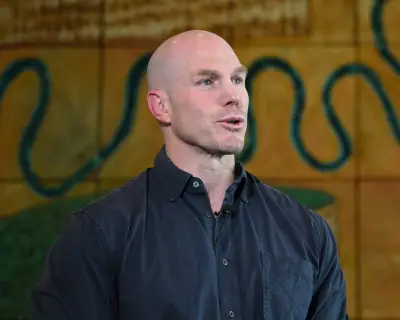
“A low-cost loan program would make solar accessible to households that currently can’t afford the upfront installation costs,” said Grattan Institute energy program director Tony Wood. “This could save low-income families hundreds of dollars a year, which is a significant boost when cost-of-living pressures are high.” The report recommends that the loans be means-tested to ensure they reach those who need them most, and that rental properties also be included through landlord incentives.

Environmental and Economic Benefits
Beyond household savings, the thinktanks argue the scheme would accelerate Australia’s transition to renewable energy. The report estimates that if 500,000 additional households install solar under the program, it could reduce carbon emissions by 4 million tonnes annually. “This is a cost-effective way to cut emissions while putting money back into people’s pockets,” said Richie Merzian, climate and energy program director at the Australia Institute.
Comparison with Existing Programs
Australia already has a Small-scale Renewable Energy Scheme (SRES) that provides upfront discounts on solar installations, but the thinktanks say low-income households often cannot afford the remaining cost. The proposed loan scheme would complement existing programs, not replace them. The report also notes that solar panel prices have fallen by more than 80% over the past decade, making the technology more affordable but still out of reach for many.
Political and Industry Reaction
The federal government has not yet commented on the proposal, but the opposition has expressed interest in policies that reduce household bills. The solar industry has welcomed the idea, with the Clean Energy Council stating that “financing innovations are critical to unlocking the full potential of rooftop solar.”
Implementation Challenges
The report acknowledges potential challenges, including the need for robust quality control to prevent shoddy installations and the risk of loan defaults. It suggests that loans be administered through existing channels such as the Clean Energy Finance Corporation or state-based energy efficiency schemes. The thinktanks also recommend that the program be paired with energy efficiency upgrades to maximize savings.