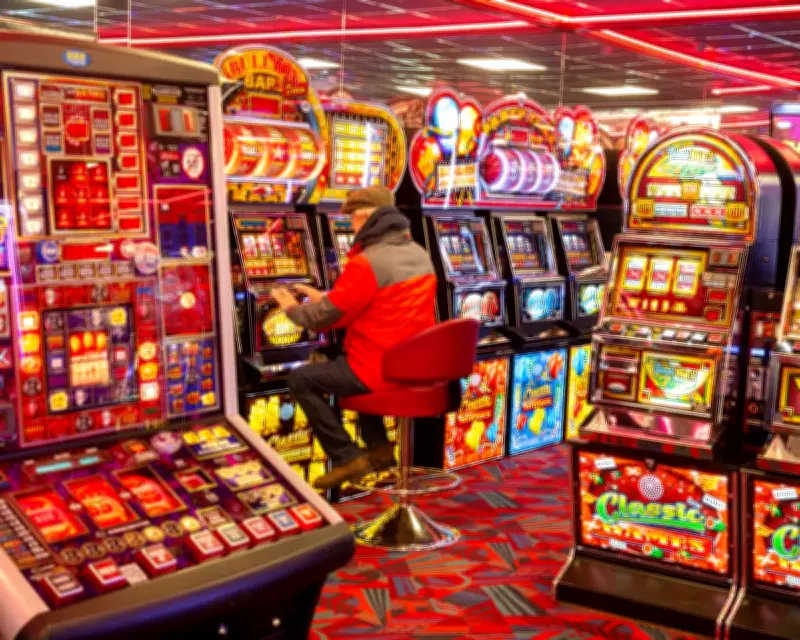
Andy Burnham, the Mayor of Greater Manchester, has announced plans to increase taxes on high street slot machine casinos, aiming to reduce gambling-related harm and generate additional funding for addiction support services. The proposal specifically targets venues that house Fixed Odds Betting Terminals (FOBTs), which have been linked to problem gambling.
Details of the Tax Rise
Burnham’s plan would see a significant increase in business rates for premises that operate FOBTs, potentially doubling the current tax burden on such establishments. According to Burnham, the move is intended to discourage the proliferation of these high-stakes machines on the high street and to redirect revenue towards treatment and prevention programs. “We have seen the devastating impact these machines have on communities, and it is time for the industry to pay its fair share,” he said.
Impact on High Street Casinos
The proposed tax rise is expected to affect hundreds of betting shops and casinos across the UK, particularly those in town centres where FOBTs are concentrated. Industry representatives have warned that the increase could lead to job losses and store closures, but Burnham argues that the social cost of gambling far outweighs the economic benefits. “Every pound lost in these machines is a pound taken from families and local economies,” he added.

Funding for Addiction Services
Revenue generated from the tax hike would be ring-fenced for gambling addiction services, including counselling, helplines, and community outreach programs. Burnham highlighted that current funding is insufficient to meet demand, with waiting lists for treatment growing. “We need to ensure that those who suffer from gambling addiction get the help they need, and that means making the industry contribute more,” he stated.
Reactions and Next Steps
The proposal has drawn mixed reactions. Public health advocates have welcomed the move, while the Betting and Gaming Council has criticized it as a “punitive tax” that will harm responsible gamblers. Burnham has called for a public consultation before the tax is implemented, with a view to introducing the changes in the next financial year.