Los Angeles Warehouse Fire Sparks Ammonia Leak Concerns
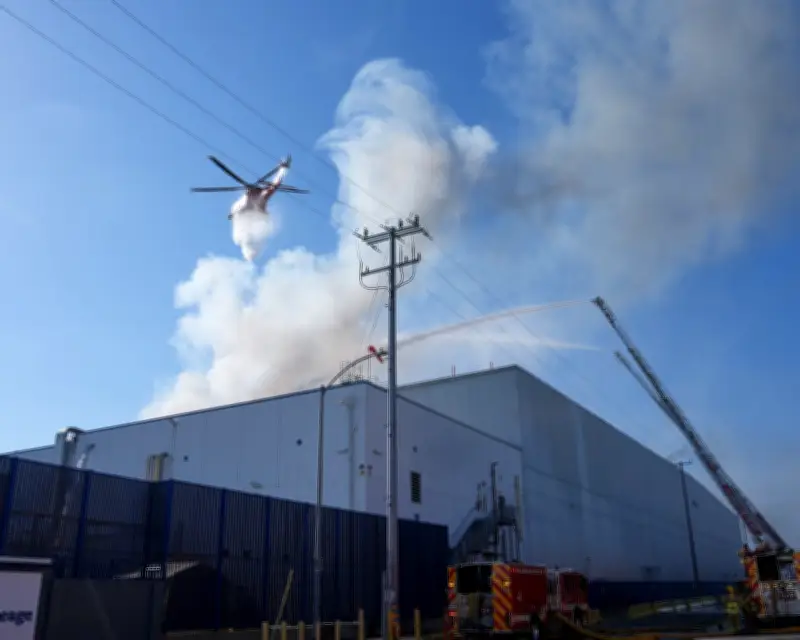
A large fire erupted at a warehouse in Los Angeles on Thursday, triggering fears of an ammonia leak and prompting evacuations in the surrounding area. The blaze broke out in the industrial district, sending thick plumes of black smoke into the sky.
Firefighters rushed to the scene as reports emerged that the warehouse stored ammonia, a hazardous chemical used in refrigeration and cleaning products. Authorities issued an evacuation order for nearby businesses and residents, urging them to stay indoors and close windows.
The Los Angeles Fire Department (LAFD) confirmed that a hazmat team was deployed to monitor air quality and assess the risk of a toxic release. No injuries have been reported so far, but officials warned that the situation could escalate if the fire reaches the ammonia storage tanks.

Witnesses described hearing explosions and seeing flames shooting from the building. One local resident said, “It was terrifying. The smoke was so thick you couldn’t see anything.” Another added, “We were told to leave immediately. We grabbed our pets and got out.”
The cause of the fire is under investigation. The LAFD is working with environmental agencies to contain the fire and prevent any ammonia leak. Crews are using foam and water to cool the tanks and control the flames.
Ammonia exposure can cause severe respiratory issues, skin burns, and eye damage. In high concentrations, it can be fatal. Health officials are advising anyone in the affected area to seek medical attention if they experience symptoms such as coughing, chest pain, or difficulty breathing.
The fire is expected to burn for several hours, and authorities have set up a temporary shelter for evacuees. Traffic in the area has been diverted, and commuters are advised to avoid the vicinity.
This incident highlights the risks associated with industrial facilities in urban areas. Local activists have long called for stricter regulations on hazardous materials storage. The city council is expected to review safety protocols in the coming weeks.