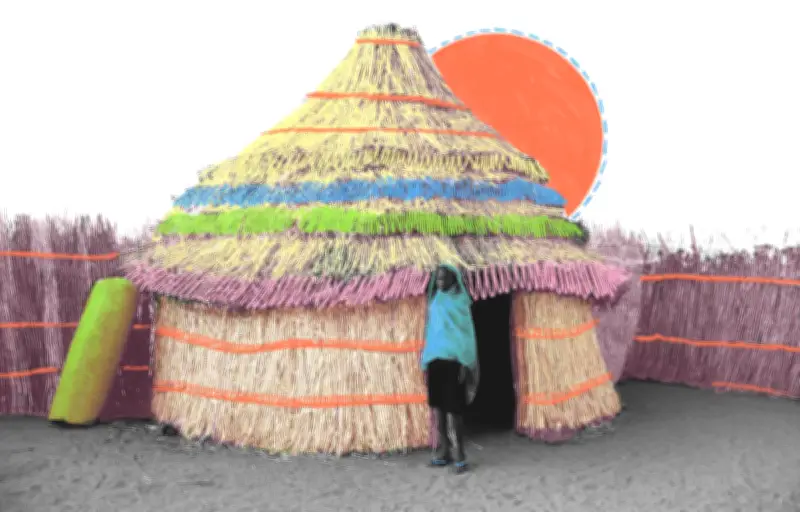
In 1987, while working for the aid agency Care in Sudan, I found myself hopelessly lost in the desert with two colleagues and a driver. We had left El Obeid at sundown for what should have been a six- to seven-hour drive to Khartoum, but by 2am, it was clear our driver had no idea where we were. The stars revealed we were heading west, not north-east as he insisted. Exhaustion, not fear, was our main concern; the Sudanese were renowned for their friendliness, so I felt safe as a foreigner.
Lost in the Desert
After eight hours of driving, we spotted a small village of grass huts emerging from the darkness. We stopped and asked for directions, only to discover we were nearly back in El Obeid, having driven in a huge circle. The villagers immediately told us to stay. Within moments, they had emptied a hut, placed four beds inside with fresh bedclothes, and wished us goodnight. Grateful and weary, we accepted their offer without hesitation.
Generous Hospitality
In the morning, the villagers prepared a huge breakfast with fruit, tea, and bread. Despite their extreme poverty—living in a harsh, sandy landscape where life was incredibly difficult—they gave us what they had. When we tried to pay, they refused, insisting it was their duty to help people in distress. Their unwavering commitment to hospitality and refusal of payment left a lasting impression on me.

Reflections on Kindness
I have never forgotten their fidelity to their beliefs and innate generosity. Their actions stand in stark contrast to the chauvinism that increasingly drives anti-Muslim politics. It is far too easy to demonise people for where they live and what they believe; harder to remember that they, too, have instincts that are profoundly human. This experience remains a powerful reminder of the kindness of strangers.