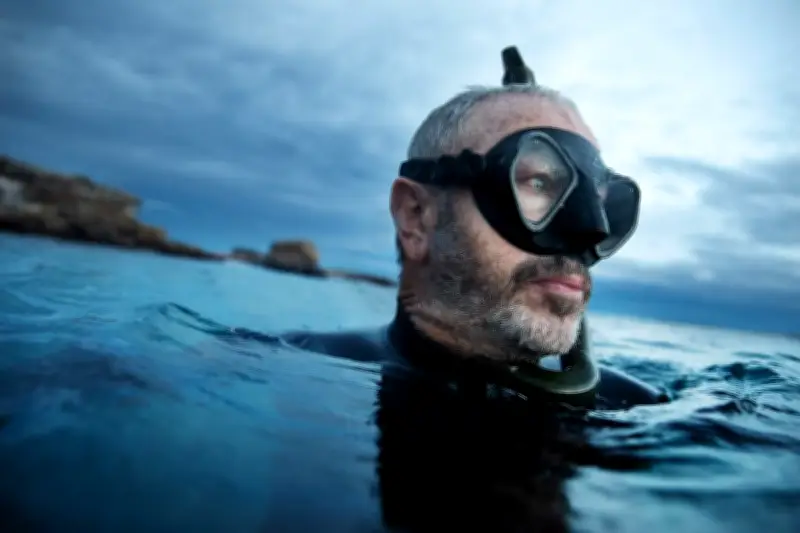
Marine biologist and shark expert Prof Rob Harcourt, after a morning surf at Bondi on a warm winter day, reflects on the unease gripping Sydney's ocean lovers. A spate of shark bites, including a recent attack on 34-year-old Leah Stewart who lost an arm, has left many surfers traumatized and hesitant to enter the water. Despite ideal conditions—patrolled beach, clear water, midday—Stewart was bitten, highlighting the unpredictability of such events.
Rising Trend of Shark Bites
Australia now records an average of 21 unprovoked shark incidents per year this decade, up from 12 in the 2000s and just 3.1 in the 1950s, according to the Australian Shark Incident file. Fatalities have also increased from 1.7 per year in the 1950s to 3.8 this decade. While population growth plays a role, experts like Harcourt note that the number of people entering the water and their proximity to shark habitats are critical factors.
Globally, Australia ranks second only to the US for shark bites, but while global trends are flat, Australia's are climbing. The three species most often responsible—great whites, tigers, and bulls—inhabit waters near population centers.

Warming Oceans and Changing Ecosystems
Harcourt explains that warming ocean temperatures are bringing bull sharks and tiger sharks closer to Sydney for longer periods. Additionally, recovering seal and whale populations, following the end of hunting, provide more food for large sharks. "Swimming next to a seal colony probably puts you in greater risk," he says, as sharks may mistake humans for prey.
Despite claims by former prime minister Tony Abbott of a shark population explosion, Harcourt points to shark net data showing no significant changes in catch numbers. "If there were an explosion, nets would catch more," he notes.
Expert Perspectives on Risk and Mitigation
Dr Daryl McPhee from Bond University confirms the rising trend, with four deaths already this year. He emphasizes that risk varies by beach, day, and species, and that culls are ineffective due to shark migration. "It's an old colonial view that we can bend nature to our will," he says.
Dr Brianna Le Busque, who studies shark perceptions at Adelaide University, notes that comparisons to rare events like lightning strikes do not alleviate fear. "We talk about how rare bites are and that almost makes it feel even more random," she says. Her research shows surfers fear sharks less than the general public, likely because their encounters are often non-events.
Controversy Over Shark Nets
Prof Corey Bradshaw from Flinders University criticizes shark nets as "bullshit" and an "environmental catastrophe" with no evidence they reduce bites. He advocates for education, drones, and personal deterrents instead. Despite public fear, the actual risk remains extremely low—82 drownings occurred on Australian beaches last year compared to a handful of shark fatalities.