Construction Progress and Battery Vehicle Introduction
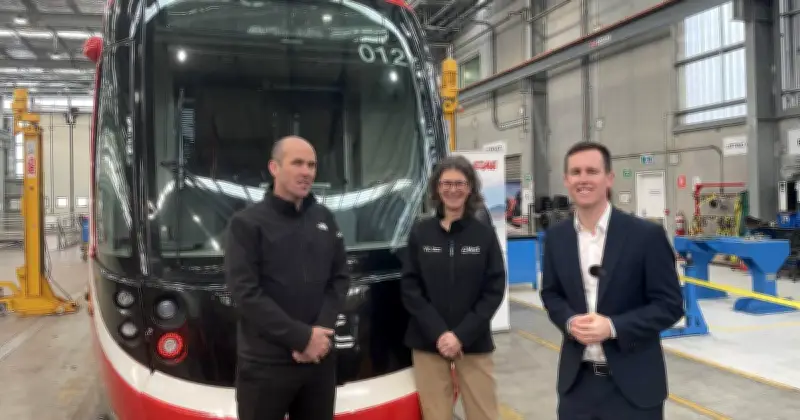
Canberra's light rail stage 2A extension is progressing ahead of schedule, with battery-powered vehicles now beginning operations on the new line. The project, which extends the network from Alinga Street to Commonwealth Park, is expected to be completed months earlier than initially planned.
According to Transport Minister Chris Steel, the construction has been accelerated due to efficient work practices and favorable weather conditions. The battery vehicles, which are part of a $7 million investment, will operate without overhead wires on the new section, reducing visual clutter and noise.
Impact on Commuters and Timeline
The early completion means that commuters will benefit from the extended service sooner than anticipated. The stage 2A line is 1.7 kilometers long and includes two new stops at City West and Commonwealth Park. The battery vehicles can travel up to 70 kilometers on a single charge, ensuring seamless integration with the existing network.

Steel stated, "This is a significant milestone for Canberra's public transport. The battery technology allows us to extend the network without the need for overhead wiring, which is both cost-effective and environmentally friendly." The government expects the full line to be operational by early 2026, ahead of the original 2027 deadline.
Future Extensions and Community Benefits
The successful implementation of battery vehicles paves the way for future extensions, including stage 2B to Woden. The government has allocated $577 million for the entire stage 2 project, with the battery technology being a key component. The community will see reduced travel times and improved connectivity between the city and southern suburbs.
Local businesses along the route are optimistic about the increased foot traffic. The project has also created hundreds of jobs during construction. The light rail network is expected to carry over 20 million passengers annually by 2030, reducing car dependency and carbon emissions.