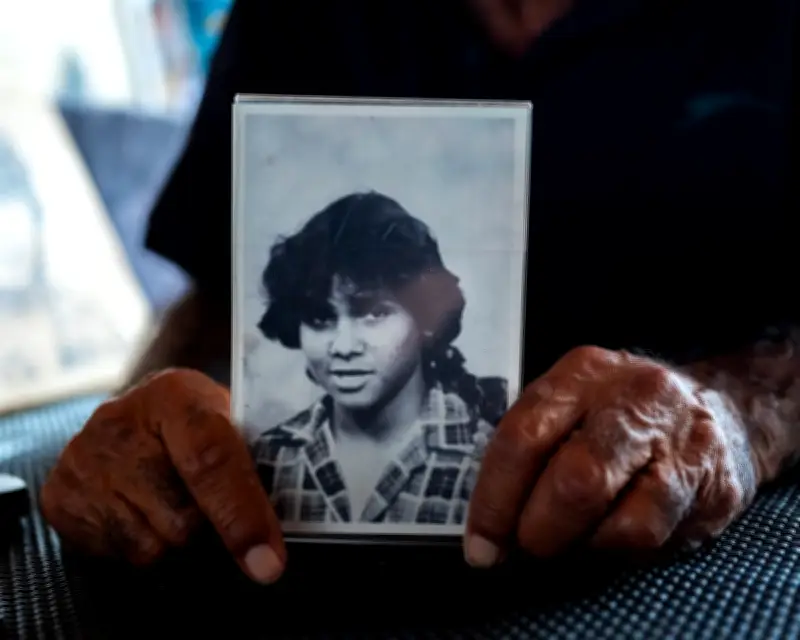
An inquest into the 1988 death of Indigenous teenager Mark Haines has found that racism significantly hindered the initial police investigation, contributing to decades of delay in achieving justice. The inquest, which concluded on Thursday, revealed that systemic biases and failures within the New South Wales Police Force led to a flawed inquiry into the 18-year-old's death.
Background of the Case
Mark Haines, a young Indigenous man from the small town of Walgett in northern New South Wales, died under suspicious circumstances on June 18, 1988. His body was found near the local railway station, and despite initial suspicions, the case was quickly closed, with authorities ruling his death as accidental. However, his family and community long believed that racism played a role in both his death and the subsequent investigation.
Findings of the Inquest
The inquest, presided over by Deputy State Coroner Harriet Grahame, heard evidence that police officers involved in the original investigation held prejudiced attitudes towards Indigenous people. These biases led to a failure to properly investigate potential witnesses, collect crucial evidence, and consider alternative scenarios. The coroner stated that "systemic racism within the police force at the time directly impacted the quality of the investigation."

Key findings included:
- Inadequate initial response: Police did not secure the crime scene properly, allowing potential evidence to be compromised.
- Failure to interview key witnesses: Several individuals who may have had information about Haines' death were not interviewed or were dismissed due to their Indigenous heritage.
- Reliance on assumptions: Investigators assumed Haines' death was alcohol-related without sufficient evidence, reflecting stereotypes about Indigenous Australians.
- Lack of oversight: Senior officers failed to review the investigation adequately, allowing biases to go unchecked.
Impact on the Family and Community
The Haines family has spent decades fighting for a proper investigation. Mark's mother, Aunty Mary Haines, expressed relief at the inquest's findings but also deep sorrow over the lost time. "We always knew the truth was ignored because of who we are," she said. "It's heartbreaking that it took almost 40 years for someone to listen." Community leaders have called for reforms to ensure that racism does not continue to impede justice for Indigenous Australians.
Police Response and Reforms
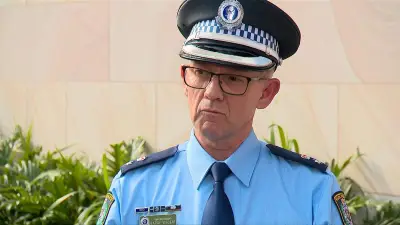
NSW Police have issued an apology to the Haines family and acknowledged the failures identified in the inquest. Commissioner Karen Webb stated that the force is committed to addressing systemic racism and has implemented several reforms, including mandatory cultural awareness training and the establishment of an Indigenous advisory unit. However, critics argue that more needs to be done to rebuild trust with Indigenous communities.
Broader Implications
The case has reignited discussions about the treatment of Indigenous Australians within the criminal justice system. Advocates are calling for independent oversight of police investigations involving Indigenous deaths and for greater representation of Indigenous people within the police force. The inquest's findings are likely to influence future policy and legal proceedings.
The coroner has recommended that the NSW Police Force review its procedures for investigating deaths of Indigenous people and ensure that all officers receive comprehensive training on unconscious bias. She also called for a public apology from the police to the Haines family and the broader Indigenous community.
As the Haines family continues to grieve, they hope that the inquest's findings will bring about meaningful change and prevent similar injustices from occurring in the future.