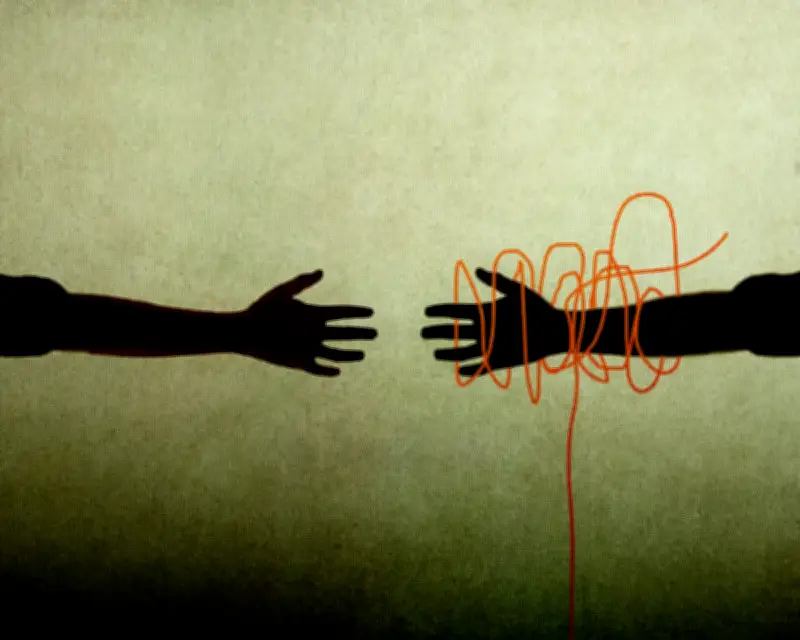
Queensland and the Northern Territory are considering changes to their child protection systems that advocates say could erode protections established in the 1990s to keep Aboriginal families together. Indigenous advocates warn that these changes risk separating First Nations children from their culture and causing further harm.
History of removal and the ATSICPP
The Aboriginal and Torres Strait Islander Child Placement Principle (ATSICPP) was designed to ensure that connection to family, culture, community and country is maintained, and that removal from Indigenous families is a last resort. It emerged from the trauma of the Stolen Generations, when between one in 10 and one in three Indigenous children were removed from their families between 1910 and 1970.
Melissa, a Brisbane-based Aboriginal and South Sea Islander woman, has firsthand experience with the child protection system. Her brother's four children were removed when she was 15, and her mother fought to bring them home. "My mother was so strong in that these are our babies, and you will be with us. We are family," she told Guardian Australia. Now in her 30s, Melissa's home has become a haven for children, providing a safe space where family tries to hold on to family.

Proposed changes in Queensland and the Northern Territory
The Northern Territory is proposing to replace the ATSICPP with a "universal principle," with draft laws stating that a child "must be removed … if there is a significant and likely risk of harm to the child" and placed in "close proximity" to their family. In Queensland, the child safety commission of inquiry recommended considering adoption as a "genuine permanency option" for children who cannot return to their families, including Indigenous children. The commission acknowledged "significant concerns" from the Indigenous community but argued reform is needed.
Kay Smith, a former foster carer in Alice Springs, opposes the NT changes. She raised three Aboriginal siblings, ensuring they maintained their culture, language, and ceremony. One sibling had been placed with a non-Indigenous family and had no contact with her family until age nine. "She didn't speak her language, she wasn't involved in ceremony until her grandfather made sure she was involved in the brothers' initiation, and it's utterly crucial," Smith said. She advocates for addressing structural inequalities like poor housing, healthcare, and food security, rather than weakening protections.
Culture is safety
Catherine Liddle, CEO of SNAICC – National Voice for Our Children, argues that "culture is safety." She says the debate is being waylaid by "debate and politicking." "If we were genuinely serious about children, what we'd be doing is having really hard conversations about how the systems have failed, our communities have failed our families, and most importantly, harmed our children," Liddle said. She emphasizes that legislation should consider the "whole child – who you are, who you are right now, where you're going, and who you're going to become."
NT children's minister Robyn Cahill defended the changes, stating that the ATSICPP continues to guide decision-making, with connections to family, culture and community "a priority wherever it is safe to do so." She said concerns arose from a "fundamental misunderstanding" of the bill's intended outcomes, which aim to have "fewer children in out-of-home care, not more, by getting help to families sooner."
Adoption concerns and impact
Barrister and former Queensland treaty commissioner Joshua Creamer, a Waanyi and Kalkadoon man, said the recommendation to consider adoption as a genuine option for Indigenous children is inconsistent with evidence before the inquiry. "The evidence … was that adoption for Aboriginal and Torres Strait Islander children is just not an appropriate mechanism, because it cuts all ties with the family, the biological family or Indigenous family," he said. The 1997 Bringing them Home report found that an estimated 17% of children removed during the Stolen Generations era were adopted, mostly by non-Indigenous families, leading to abuse, intergenerational trauma, and disconnection from community.

A spokesperson for the Queensland department of child safety said the government has accepted most of the report's recommendations and is committed to improving outcomes for First Nations children, including reducing over-representation in out-of-home care. Melissa, drawing on her own experience, said her family connections and culture remain her guiding force. "This is actually the systems that we've had for 65,000 years, that have worked and done beautifully," she said.