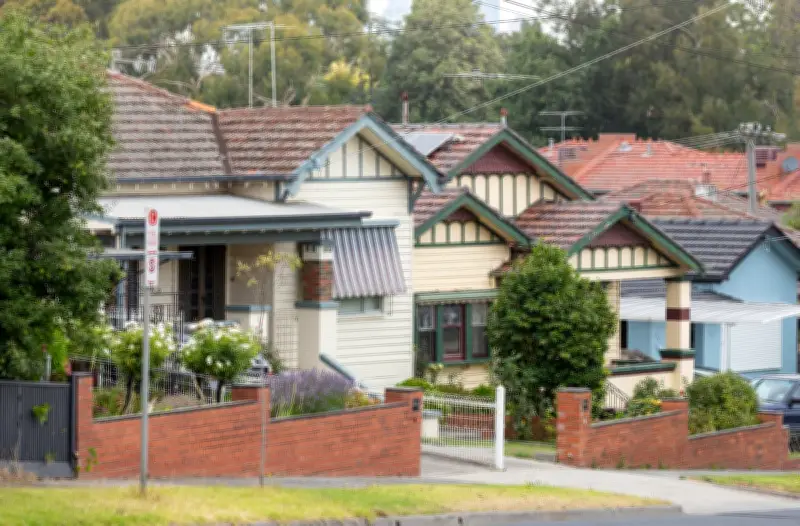
House prices are declining across Australia, and according to economist Saul Eslake, this is a development to be celebrated rather than feared. In a recent analysis, Eslake argues that the current dip in property values marks a necessary correction in a market that has long prioritized investment over basic human needs.
Data from Cotality reveals that Sydney and Melbourne have experienced drops of 3.1% and 3.5% from their recent peaks, respectively. Nationally, house prices remained flat in the latest month, the first time this has occurred since January 2023. The annual rate of house price inflation has also eased to 9.5%, down from a peak of 10.9% in February.
A Shift in Perspective
Eslake highlights a fundamental change in how Australians view housing. In the post-war era, housing was seen as a basic need for shelter and community. Today, it is largely viewed as a vehicle for wealth accumulation. This shift, he argues, has driven the decline in housing affordability and home ownership rates among those under 45.

During the last federal election, both major parties expressed a desire for house prices to continue rising, offering policies like Labor's 5% deposit scheme and the Coalition's super for housing proposal. However, Eslake contends that such approaches ignore the root cause of the problem: excessive investor demand.
The Role of Investors
Investors have become increasingly dominant in the housing market, partly due to changes in capital gains tax in 1999, which made negative gearing more attractive. The proportion of individuals with property investments rose from 15% in 1999 to over 20% in the 2010s. Housing finance to investors jumped from 26% in the late 1990s to over 45% by the mid-2010s, with more than 80% of that lending going to established homes.
Labor's recent budget changes aim to reduce investor demand for existing housing by altering negative gearing and capital gains tax rules. Eslake supports these measures, stating they will lessen competition for first-home buyers and help stabilize prices.
Interest Rates and Future Trends
While the recent price declines are primarily due to interest rate hikes—three so far this year—Eslake notes that the budget changes will have a lasting impact. Once interest rates eventually fall, house prices may rise again, but reducing investor demand will moderate future growth. He concludes, 'If dampening the demand from investors for the housing we already have reduces the rate at which house prices go up, that should be celebrated, not bewailed.'
Saul Eslake is a vice-chancellor's fellow at the University of Tasmania and an independent consulting economist.