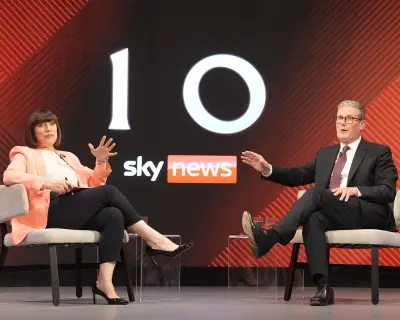
A staggering one million voters regret voting for Labor in the last election, according to a bombshell Sky News Pulse poll conducted weeks after the federal budget.
One Nation Surges Past Labor
For the first time, Pauline Hanson's One Nation party has surged ahead of Labor in primary vote intentions, leading the government 29 per cent (up four) to 26 per cent (down three). The Coalition has also lost ground, dropping three points to 20 per cent, now in third place.
If an election were held today, the result would be chaotic, with no party likely to secure a majority government. This raises questions about potential alliances: Could Labor stay in power with support from independents and Greens? Could One Nation and the Coalition form a government together?

Coalition and One Nation voters are open to such a partnership, though not overwhelmingly. Forty-four per cent of Coalition voters support the idea, compared to 29 per cent against. Among One Nation voters, 53 per cent approve, versus 25 per cent opposed.
Labor's Plummeting Support
Labor's primary vote has fallen from 34.5 per cent at the last election to just 26 per cent now, representing a loss of 1.5 million voters. Labor now trails One Nation among key demographics: working-class voters (35 per cent vs 21 per cent), renters (32 per cent vs 27 per cent), TAFE-educated voters (32 per cent vs 25 per cent), and those in outer metro areas (30 per cent vs 28 per cent). These groups are traditionally Labor's heartland, but an "orange tsunami" is sweeping through them.
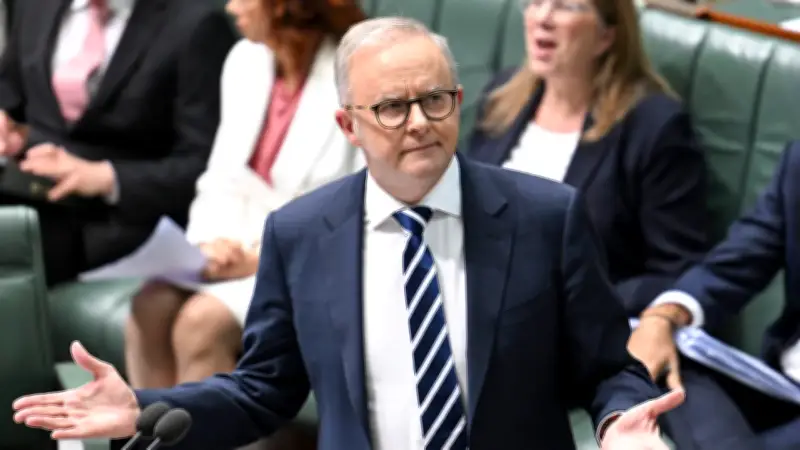
Prime Minister Anthony Albanese's net satisfaction rating has plunged seven points to -26 per cent, reaching levels similar to Peter Dutton's just before the 2025 election landslide defeat.
Voter Regret and Future Prospects
The poll also asked voters which major parties they are seriously considering. One Nation leads with 39 per cent, followed by Labor at 34 per cent and the Coalition at 30 per cent. When asked if they regretted their vote in the last election, 16 per cent of Labor voters said yes—equivalent to one million voters—compared to nine per cent for Coalition and One Nation voters.
Since none of the budget measures have taken effect yet, the government hopes that the lived reality of the budget may bring voters back around.