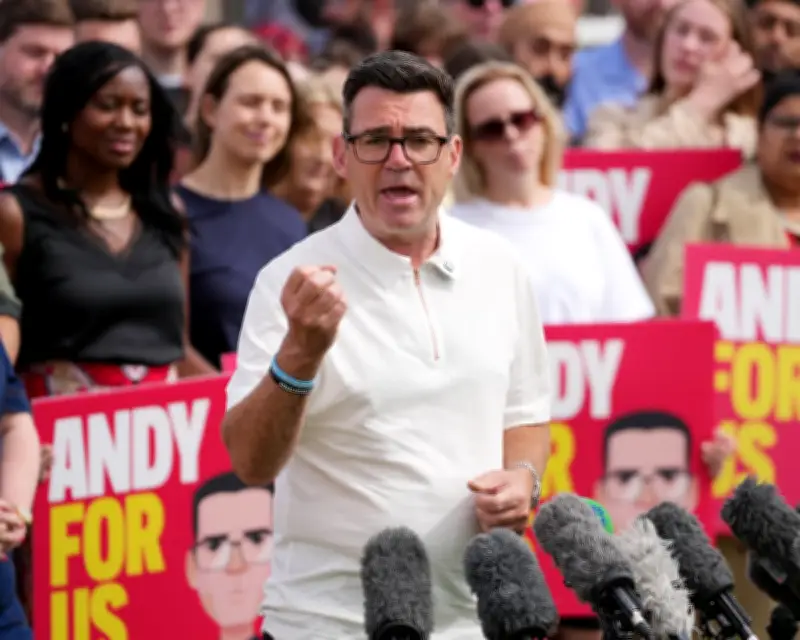
Andy Burnham's landslide victory in the Makerfield byelection on June 19, 2026, has set the stage for a potential Labour leadership bid, but the path to Downing Street is fraught with lessons from his predecessor, Keir Starmer. The win, which saw Burnham defeat Reform UK candidate Nigel Farage by a margin of over 10,000 votes, was a rare moment of triumph for the progressive side of British politics. According to Polly Toynbee, writing in The Guardian, this victory was a vital reminder that first impressions are everything for a new leader.
The Makerfield Victory: A Beacon of Hope
Burnham's victory in Makerfield, a constituency in Greater Manchester, was particularly significant because Reform UK had won every council seat in the area just a month earlier. The byelection saw tactical voting from Liberal Democrat, Green, and even Conservative supporters, who lent their votes to Burnham to keep out the hard-right Reform party. This cross-party cooperation was hailed as a model of patriotism, as voters prioritised defeating extremism over party loyalty. Toynbee described the result as a precious moment, akin to Labour's 1997 landslide or Barack Obama's 2008 election night.
Starmer's Legacy: A Cautionary Tale
As Keir Starmer prepares to announce his resignation as Prime Minister on Monday, his tenure offers a stark warning for Burnham. Starmer's 2024 general election victory, which ended 14 years of Conservative rule, was won on a mere 33.7% of the vote, making it a 'freak landslide' that never generated public enthusiasm. His early missteps, including a gloomy speech about a 'painful' budget and the controversial decision to cut winter fuel allowance for pensioners, set a negative tone that persisted throughout his premiership. The public also seized on scandals involving free suits, glasses, and concert tickets, which, while minor compared to right-wing political scandals, deeply damaged his image.

Burnham's Policy Agenda: First Steps Matter
To avoid Starmer's fate, Burnham must immediately implement memorable cost-of-living policies. Toynbee suggests several measures from his reported portfolio, including freezing rents for the roughly 20% of the population who are private-sector tenants, capping bus fares at £2, cutting energy bills by shifting green levies onto general taxation, and reducing business rates for pubs and small shops. These policies, she argues, would create a positive first impression, similar to the Blair/Brown government's early actions in 1997, such as the windfall levy on privatised utilities, the introduction of the minimum wage, and the creation of the winter fuel allowance.
Radicalism Without Cost: Governance and Reform
Burnham also promises radical changes that can be implemented without significant cost. He plans to relax the government whip, allowing MPs to speak more freely, which would reduce the number of ministers forced to read official lines. Additionally, he aims to clean up politics by imposing strict caps on political donations and launching a national commission on proportional representation, which would secure tactical voting support from progressive parties. His constitutional reform agenda includes devolving powers to local mayors, a model he calls 'Manchesterisation', giving them authority over taxation, spending, schools, and health.
The Chancellor Conundrum
One of Burnham's most critical early decisions will be the appointment of his Chancellor of the Exchequer. The hostile press, along with Unite union leader Sharon Graham, are attempting to undermine Ed Miliband's chances, despite his reputation as a serious economist experienced in dealing with Treasury obstructionism. Wes Streeting is another contender, but his appointment could create friction reminiscent of the Blair-Brown era. Retaining Rachel Reeves would steady financial markets, according to her team, but may not signal the radical change Burnham needs.

Conclusion: Hope and Change
As Toynbee concludes, Burnham's victory offers a rare moment of hope in a political landscape marked by unpopular leaders. He must use this momentum to implement bold policies and avoid the mistakes of his predecessor. The mantra of 'hope and change' will be crucial as he navigates the challenges ahead, from Brexit to relations with the White House. With a strong policy agenda and a focus on first impressions, Burnham may buck the trend of declining public trust in British politics.