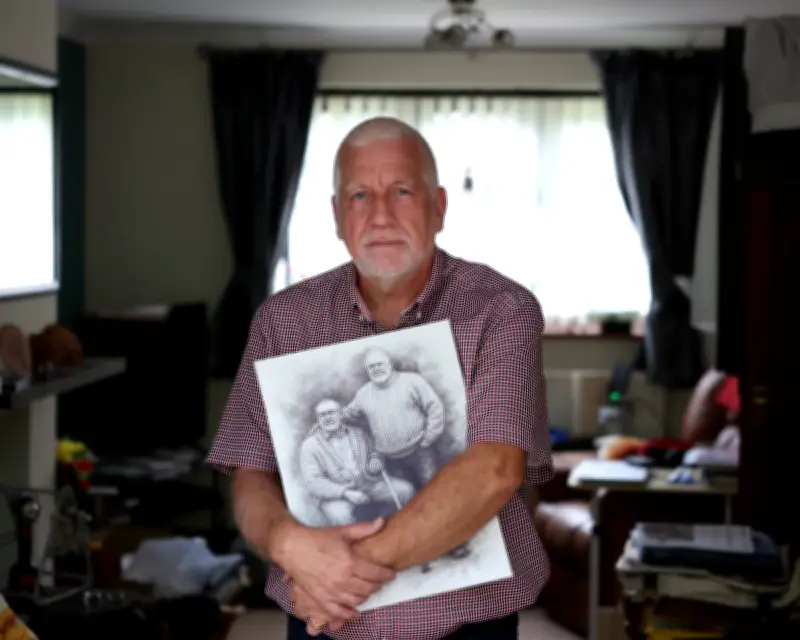
A former unpaid carer has called on welfare officials to improve their processes after the Department for Work and Pensions (DWP) continued paying him carer’s benefit for six months following his husband’s death, potentially leaving him with debts exceeding £1,300.
Chris Farrell's Ordeal
Chris Farrell, 65, who had received carer’s allowance for four years while caring for his late husband full-time, repeatedly tried to stop the £86.45 weekly payments. He described the anxiety over the growing benefit payments in his bank account and uncertainty about potential penalties as distressing, preventing him from moving forward with his life.
The DWP has since agreed to write off Farrell’s overpayment, acknowledging it was caused by official error, after The Guardian brought the case to their attention.

Systemic Failures
Farrell’s case is not isolated. The Guardian identified five other carers who reported being unable to stop benefit payments despite informing the DWP of changes in their circumstances. One carer accumulated over £2,000 in unwanted payments after their mother entered a care home ten months ago, despite contacting the DWP five times. Another was overpaid more than £2,650 after taking on a new job over a year ago.
Carers UK Concerns
Helen Walker, chief executive of Carers UK, stated that carers are left with confusion and an ever-growing worry of potential debt due to the DWP’s failure to act on reported changes. She emphasized that receiving money they know is not theirs creates difficulties in budgeting and planning for the future.
Previous Investigations
A Guardian investigation revealed that hundreds of thousands of unpaid carers were unfairly burdened with hefty debts due to DWP system failures. An official review by disability rights expert Liz Sayce found that backlogs and record-keeping issues led to overpayment notices being sent despite carers reporting changes months or years earlier. The DWP agreed to refund affected carers but has yet to outline a plan or estimate costs.
Farrell's Experience
Farrell, a podiatrist from Gloucestershire, called the DWP’s bereavement line in December, expecting payments to stop after an eight-week grace period. By March, he realized payments continued and contacted the DWP three times via online form, phone, and registered letter, but to no avail.
A DWP spokesperson expressed regret over Farrell’s situation and stated intentions to modernize carer’s allowance, ensuring that once a change is correctly reported, any overpayments due to official error are written off.