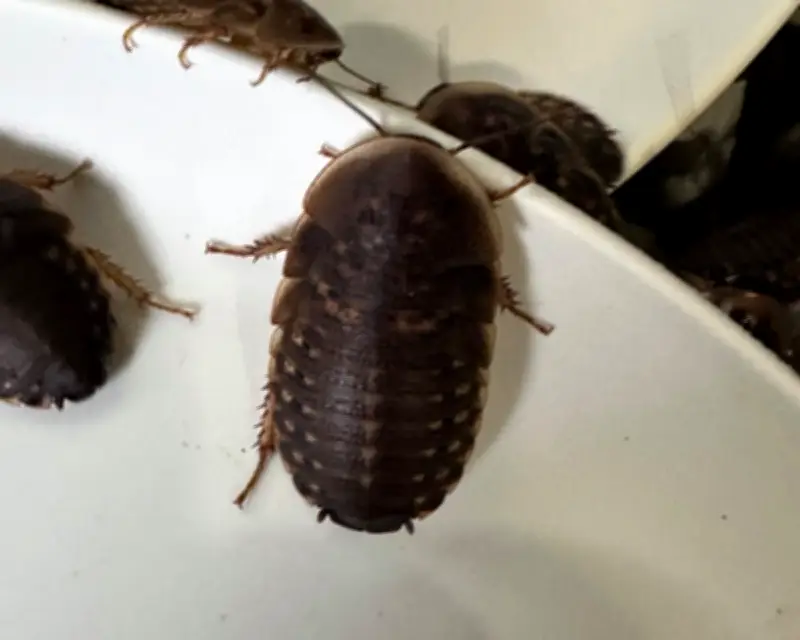
More than 100,000 live, exotic cockroaches have been seized from a commercial breeder in New South Wales in a record-breaking bust linked to the pet trade. The seizure, valued at up to $200,000, is the largest of illegal exotic invertebrates in Australia.
Details of the Seizure
Biosecurity officials confiscated the animals from a commercial breeder in Bathurst, located in the state’s central west, earlier this week. The captured cockroaches included dubia cockroaches and Madagascar hissing cockroaches, one of the world’s largest cockroach species.
Legal and Environmental Implications
The federal environment department stated that because these cockroaches cannot be legally imported, they also cannot be legally kept, bred, or sold, regardless of how they were obtained. Exotic cockroaches have not undergone an environmental risk assessment, and their presence in Australia poses risks of spreading disease and harming native wildlife and agriculture.

“We take our job protecting Australia’s unique biodiversity and breaches of national environment law very seriously,” a spokesperson for the Department of Climate Change, Energy, Environment and Water said. “We’re seeing illegal breeding and trading of exotic cockroaches and we’re putting pet businesses and pet owners on notice. If you are found to possess, breed or trade exotic cockroaches such as dubia cockroaches and Madagascar hissing cockroaches they will be seized and you could face penalties under federal law.”
Likely Destination: Pet Trade
The cockroaches were likely destined for the pet trade, particularly as food for pet reptiles. Dubia cockroaches are a popular food source for captive reptiles, frogs, and some fish. “Reptile owners who have been using dubia roaches as feeders are encouraged to seek legal alternatives such as crickets and wood roaches,” the spokesperson added.
Expert Reactions
Dr. Carol Booth, policy director at the Invasive Species Council, called it a “shocking discovery” and congratulated authorities “for shutting down this criminal enterprise.” She emphasized that “it represents a massive biosecurity risk – not just because these foreign cockroaches could establish in the wild and threaten native cockroaches and other insects, but because they could introduce new diseases.”
Booth noted that Australia has a “rich native cockroach fauna with many beautiful and interesting species” and over 500 described species. She expressed concern that the scale of illegal breeding identified raises “great concerns about how widespread this illegal trade might be and the potential size of the black market in these and other illegal wildlife.”
Call for Stronger Enforcement
Booth urged the Australian legal system to take cases involving illegal wildlife more seriously, as most crimes attract low penalties despite the risks. She also called for more resources for investigating the illegal exotic wildlife trade. “This is one example of a much bigger problem in Australia of illegal sale and keeping of exotic wildlife, including exotic snakes and other reptiles,” she said. “Unfortunately, there is a growing global trend in keeping exotic invertebrates as pets, including invasive ant species. Biosecurity authorities should pay close attention to this emerging new pathway.”
Disposal of Seized Cockroaches
The NSW Department of Primary Industries and Regional Development (DPIRD) is managing the euthanasia and disposal of the seized cockroaches.