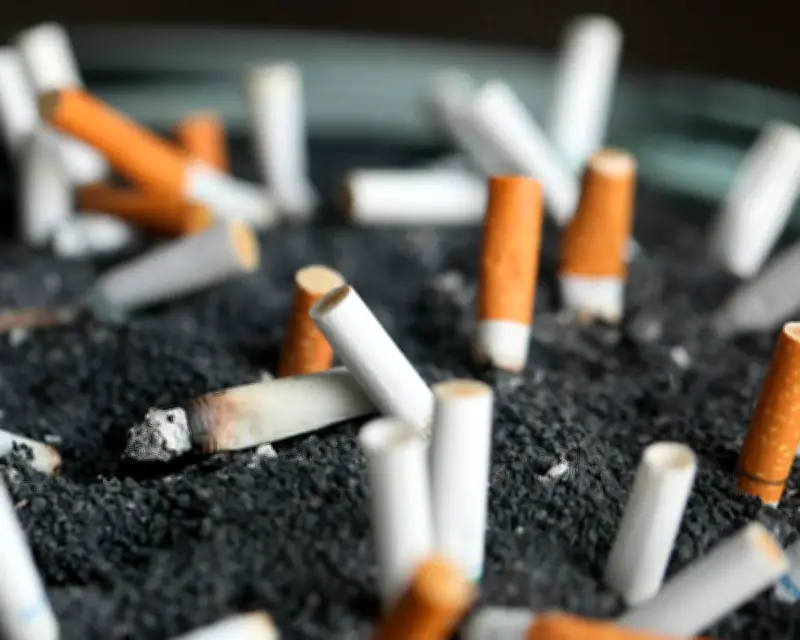
Australians are spending less to consume more nicotine as the illegal tobacco trade explodes, according to new data from the Australian Bureau of Statistics (ABS). The analysis reveals that nicotine consumption rose by 40% between 2017 and 2025, with illicit sources now accounting for 80% of all tobacco consumed. In contrast, population growth increased by just 14% over the same period.
Shift to illegal products
The ABS report, released on Wednesday, shows that the surge in nicotine intake is driven by illegal tobacco and a rise in e-cigarettes and other nicotine products. In 2017, only 12% of total tobacco came from illicit sources, but by 2025 that figure had jumped to 80%. As a result, household spending on cigarettes has dropped to levels similar to 2016, despite the cost of legal cigarettes tripling. The price of illegal tobacco has remained relatively constant, making it more attractive to cost-conscious consumers.
Government revenue hit
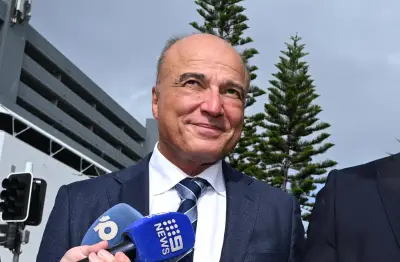
The explosion of the illegal market has created a $6.9 billion hole in the federal budget, as tax revenue from legal tobacco fell to its lowest level in 14 years. The New South Wales health minister, Ryan Park, called the data “unsurprising” and pointed to the federal government’s tobacco excise as a key factor. “As we face one of the toughest cost-of-living challenges in living memory, I can only see excise-free products become more and more attractive,” he said. Park warned that this public health failure forces states to dedicate more resources to licensing, enforcement, and healthcare challenges.

Debate over excise policy
Public health and criminology experts are divided on how to address the issue. Some argue for lowering the excise to reduce criminal incentives, while others advocate maintaining high taxes with increased law enforcement. NSW Premier Chris Minns has called for an overhaul of the tobacco excise, stating it is no longer effective as a tax or health policy. In response, his government introduced new penalties for landlords of shops selling illegal tobacco, along with a new offence for possessing commercial quantities of illicit tobacco, carrying a maximum fine of over $1.5 million and up to seven years in prison. Victoria has also enacted tough penalties, with fines of up to $370,000 or up to 15 years in jail for selling illicit tobacco.
Data methodology
The ABS noted that these estimates are experimental, assisted by nicotine metabolite concentrations detected in wastewater samples. The method and data sources may change in future releases. This marks the first time the ABS has provided estimates on illegal tobacco consumption, as it developed methods to assess the economic impact of the trade in Australia’s national accounts.