In recent weeks, the streets of Belfast and Southampton have been marred by violent riots, fueled by a toxic mix of manipulated images and disinformation spread by right-wing actors. These events underscore a troubling trend: the weaponization of false reality to incite real-world chaos.
The Spark: Manipulated Images Go Viral
The unrest began after a series of doctored photographs and videos circulated widely on social media platforms. In Belfast, an image purporting to show a group of asylum seekers attacking a local resident was shared thousands of times, despite being debunked as a fabrication. Similarly, in Southampton, a video claiming to depict immigrants vandalizing a war memorial sparked outrage, only to be revealed as a clip from a protest in another country.
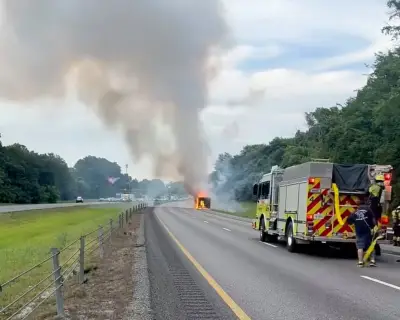
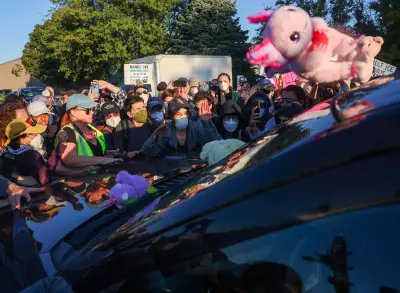
These falsehoods tapped into pre-existing tensions around immigration and national identity, providing a catalyst for violence. Rioters clashed with police, set vehicles ablaze, and vandalized property, leaving communities shaken.

The Mechanics of Disinformation
The spread of these images was not accidental. Coordinated campaigns by far-right groups and influencers amplified the content, often using bots and fake accounts to boost engagement. Algorithms on platforms like X (formerly Twitter) and Facebook prioritized the sensational posts, pushing them to wider audiences before fact-checkers could intervene.
“This is a classic example of information warfare,” said Dr. Emma Hartley, a disinformation researcher at the University of Cambridge. “The goal is not just to deceive, but to provoke an emotional response that translates into action. In this case, that action was violence.”
The speed of dissemination outpaced efforts to correct the record. By the time authorities and media outlets issued clarifications, the damage was already done.
Real-World Consequences
The riots have left a trail of destruction. In Belfast, businesses were looted and police vehicles overturned. In Southampton, a community center was firebombed, and several officers were injured. The violence has also deepened divisions, with minority communities reporting increased fear and intimidation.
Local leaders have condemned the violence and called for calm. “We cannot allow lies to dictate our actions,” said Belfast City Councillor Siobhan O'Neill. “These images were designed to divide us, and we must not let them succeed.”
Police have made dozens of arrests and are investigating the role of online disinformation. The UK government has pledged to review social media regulations, though critics argue that more immediate action is needed.
A Broader Pattern
The incidents in Belfast and Southampton are not isolated. Similar tactics have been used in protests and riots across Europe and the United States, often targeting migrants and ethnic minorities. The rise of AI-generated content, including deepfakes, threatens to make the problem even worse.
“We are entering an era where seeing is no longer believing,” said Dr. Hartley. “The infrastructure of trust is being systematically dismantled.”
Experts warn that without robust countermeasures, disinformation will continue to fuel violence and erode social cohesion. Media literacy, platform accountability, and cross-border cooperation are essential to combating this threat.
The riots in Belfast and Southampton serve as a stark reminder of the power of false narratives. In a world where toxic images can spark real-world fires, the fight for truth has never been more urgent.