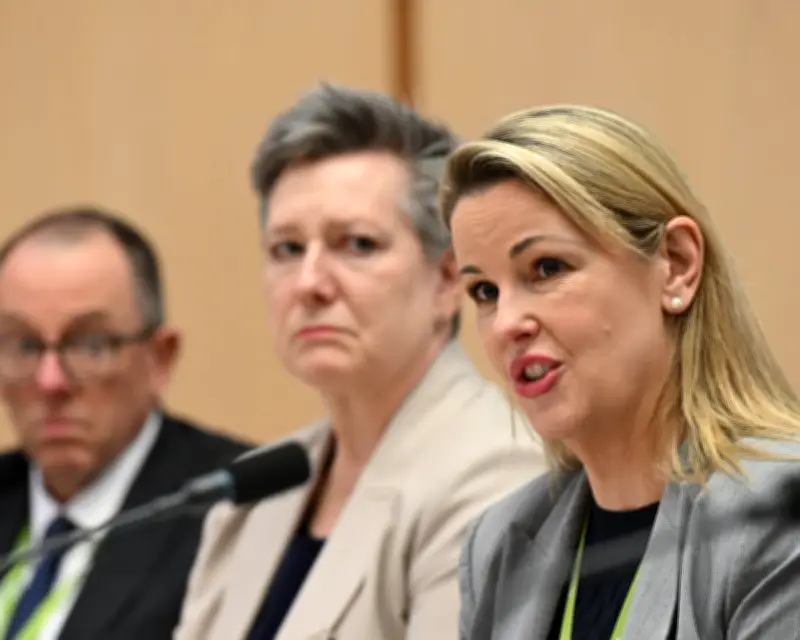
The Australian National University (ANU) has estimated that a series of high-profile scandals and governance failures during former chancellor Julie Bishop's tenure caused $100 million in reputational damage. Interim Vice-Chancellor Rebekah Brown revealed this figure during a senate estimates hearing on Friday, noting that the financial impact primarily stems from harm to the university's donor pipeline and international student recruitment.
Details of the Financial Impact
Brown told the committee that the reputational damage is "very significant" and ongoing, with modelling from late last year suggesting losses in the order of $100 million. She stated, "We are still modelling the impact; the impact is still live." The scandals have included internal cultural issues, poor financial management, and allegations of bullying against Bishop, which she has denied.
Renew ANU Program Controversy
The cost-cutting program known as Renew ANU, which aimed to save $250 million, has been particularly contentious. A scathing audit report from the Australian National Audit Office (ANAO) released on Thursday found that the program was approved without clear evidence of necessity, urgency, or feasibility. The program cost over $35 million to implement and achieved $74.8 million in annual savings, but revenue and personnel risks remain. Renew ANU led to the resignation of former Vice-Chancellor Genevieve Bell in September, after at least 399 redundancies in the preceding 12 months.

Governance and Leadership Changes
Bishop resigned as chancellor in May, ahead of the end of her term in December. The university's council has seen five of its 15 members resign this year. The selection of Bishop's replacement has been largely taken out of the council's hands following intervention by the higher education regulator, Teqsa. The council agreed to a voluntary undertaking, with a majority independent panel to recommend the next chancellor. Acting Chancellor Andrew Metcalfe acknowledged the serious damage to confidence in the university's governance, stating, "Staff and students have felt hurt, disillusioned and not valued; trust has been lost."
Reaction from Senator David Pocock
Independent Senator for the ACT, David Pocock, described the ANAO report as a "tough read" and said it justified community outrage over the "manufactured financial crisis." He noted that the report highlighted a range of failures, including the approval of Renew ANU without a clear understanding of the problem, available options, or implementation risks.