A third of the world's energy needs should come from electricity by 2035, according to the host of the next UN climate summit. Murat Kurum, Turkey's environment minister, who will co-preside over Cop31 with Australia this November, said that electrifying daily life would be a priority for the conference. He called for a target of 35% of final energy demand to be met by electricity, up from about 20% today.
Electrification as a Climate Solution
While about a third of global electricity generation already comes from renewable sources, other energy-intensive sectors such as transport, heating, and industry have lagged behind. As a result, close to four-fifths of final energy still comes from fossil fuels. Kurum argued that electrifying all sectors of the economy would help shift the world to a low-carbon future.
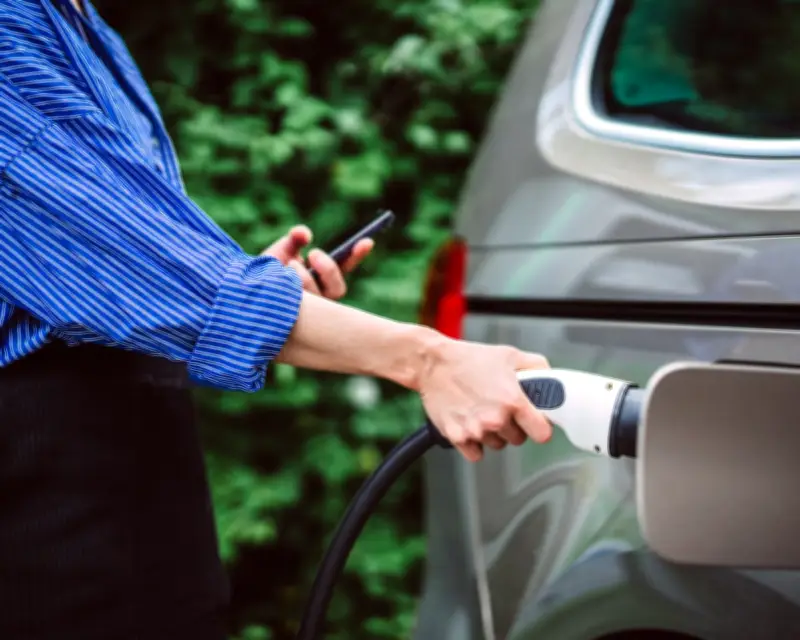
The technology to electrify transport and heating is already well established, in the form of electric vehicles and heat pumps, but take-up has been patchy in many regions. Clean technology has fallen rapidly in price, making it more attractive amid the second fossil fuel crisis within five years, driven by the Iran war and oil prices above $100 a barrel.

International Support for the Target
Chris Bowen, Australia's climate change minister, who opened the conference with Kurum and UN climate chief Simon Stiell, said cutting fossil fuel dependence and investing in clean energy and electrification were solutions to both worsening climate-induced natural disasters and what he called "the worst energy crisis in our history." Bowen noted that the focus on electrifying the global economy had "emerged with clarity" in early discussions.
"Whether it be electrifying industry in a great industrial powerhouse like Germany, or assisting African communities with the journey to clean cooking, or improving the energy security of Pacific nations by replacing diesel with solar energy, renewable energy is now the cheapest form of power available to us," Bowen told the conference.
Cop31 Preparations and Priorities
Governments are meeting in Bonn, where the UN Framework Convention on Climate Change is headquartered, to discuss priorities for Cop31, to be held in Antalya, Turkey, this November. Kurum stated: "By electrifying daily life, from transport to buildings and industry, we can protect families and businesses from volatile energy markets. This 35% by 2035 target will be one of the defining priorities of our Cop31 presidency."
Stiell told ministers and high-level officials that dealing with the climate crisis was "the hardest, but most important, thing humanity has ever tried to do together." He added: "It is worth doing, because we have no choice. Every economy and population depends on it." Scientists have warned of a possible "super El Niño" this year, which could turbo-charge temperature rises and bring heatwaves, droughts, and flooding. Stiell highlighted the urgency: "We're witnessing the imperative to accelerate [climate action] now, as deadly heat kills thousands in a single day."
Joint Presidency and Expert Calls
The right to host this year's Cop summit was fiercely contested between Turkey and Australia, with an unusual decision to grant a joint presidency last November. Australia will lead formal negotiations under the Paris agreement, but Turkey will have a major say in running the event. Experts have long called for electrification of the economy as the best route to a low-carbon world, but no targets have been set. Previous Cops set targets for tripling renewable energy and doubling energy efficiency.
The International Energy Agency will be asked to produce a report on how the 35% electrification target can be met by 2035. Kurum also called for halving the growth rate of global waste by 2035. Turkey has made waste a focal point for Cop31, despite concerns from some activists. Emine Erdogan, wife of Turkish President Recep Tayyip Erdogan, has a longstanding interest in the issue, having launched a national initiative to cut waste in 2017.