Australia and Germany have issued a joint condemnation of Iran, as the conflict between Israel and Iran continues to disrupt global stability. Australians are reportedly growing frustrated with the 'stop-start' nature of the war, which has impacted fuel prices and household goods, contributing to inflation.
Joint Statement from Berlin
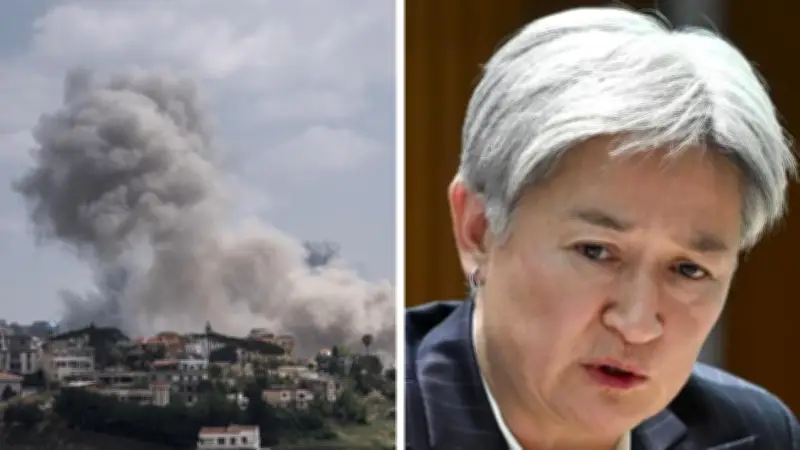
Foreign Affairs Minister Penny Wong and Defence Minister Richard Marles met with their German counterparts, Johann Wadephul and Boris Pistorius, in Berlin. The joint statement 'unequivocally condemned' Iran's dangerous escalations, particularly around the Strait of Hormuz, including attacks on merchant vessels and threats of further aggression.
The ministers emphasized the severe disruptions to global supply chains and reaffirmed their commitment to open markets and rules-based trade in energy resources and liquid fuels. They called for a diplomatic resolution to the conflict and urged Iran to immediately restore free and safe passage through the Strait of Hormuz.

Fragile Ceasefire
Assistant Immigration Minister Matt Thistlewaite described the ceasefire between Israel and Iran as 'fragile.' He noted that Australians are increasingly frustrated by the conflict's stop-start nature, which has kept the Strait of Hormuz largely closed to shipping, dramatically impacting domestic fuel markets.
'It's now starting to flow through to household goods like food and groceries, and obviously that’s had an effect on inflation,' Thistlewaite said. 'We want to see this conflict brought to an end as quickly as possible. We want this temporary ceasefire to become a permanent one.'
Israel's Incursions into Lebanon
Thistlewaite confirmed ongoing dialogue with Israel's ambassador, Hillel Newman, regarding the importance of Lebanon's territorial integrity. Israeli troops have launched the deepest incursion into Lebanon in nearly 30 years, prompting calls for Israel to cease operations and abide by ceasefire conditions.
'The only way we’re going to get peace in the Middle East is if there’s a lasting two-state solution,' Thistlewaite stated, adding that parties must be willing to negotiate for a sustainable end to the conflict.
Pressure on Netanyahu
Israeli Prime Minister Benjamin Netanyahu faces pressure from former US President Donald Trump to cease attacks on Iran. Meanwhile, Thistlewaite dismissed calls for an independent probe into allegations of sexual assault and mistreatment of an activist flotilla detained en route to Gaza, which included Australians. Israel has denied the allegations.
Since Hezbollah entered the Iran war on March 2, more than 3,600 Lebanese have been killed and at least one million displaced. Israel and Lebanon are separately negotiating a lasting peace, while Hezbollah denies being covered by any agreements between Beirut and Tel Aviv.