Swiss healthcare facilities are sounding the alarm over a proposed immigration cap that could exacerbate chronic staff shortages and potentially cripple the industry. The warning comes ahead of a June 14 popular vote on the initiative, which aims to limit the country's population to under 10 million by 2050.
Reliance on Foreign Caregivers
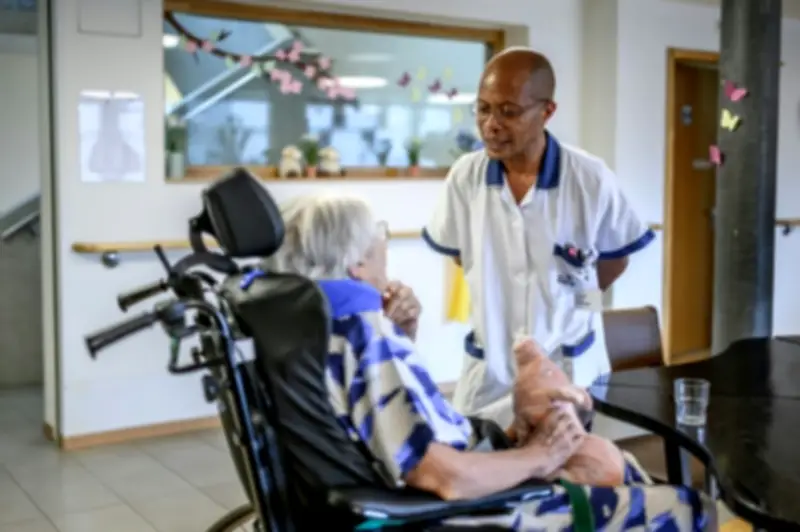
At a nursing home in Cheseaux-sur-Lausanne, Marcelle Mivelaz celebrated her 80th birthday surrounded by friends, with a team of mostly foreign nurses and caregivers ensuring the day ran smoothly. This scene is emblematic of Switzerland's healthcare sector, which heavily depends on foreign workers amid persistent staffing shortages.
"If there aren't enough caregivers, our healthcare system is headed for disaster," said Carine Savioz, a Swiss nurse at the home. Marie-Therese Barraz, 81, added, "This worries me. We must have respect for the people who care for nursing home residents."

The Immigration Cap Proposal
The initiative, put forward by the hard-right Swiss People's Party (SVP), seeks to cap Switzerland's population—currently 9.1 million—below 10 million until 2050. While the proposal faces broad opposition from the government, parliament, and business sector, opinion polls suggest a tight vote.
The healthcare sector has been at the forefront of the debate, struggling to recruit Swiss nationals due to the demanding nature of the work and relatively low salaries.
Impact on Nursing Homes
Christian Weiler, director of the Primeroche Foundation, which oversees around 360 people across several establishments including the Cheseaux-sur-Lausanne nursing home, highlighted the acute dependence on foreign staff. "We have some 240 employees, nearly 80 percent of whom are foreign nationals," he said.
Weiler noted that the foundation would like to open more nursing homes but fears it cannot find enough staff. Currently, 240 people are on a waiting list for a place in the Lausanne area. "If there aren't enough places, they'll go to the hospital," he warned, which could overwhelm the system as the population ages.
Government and Sector Warnings
The Swiss government warns that the proposal "threatens the proper functioning of society," with hospitals and nursing homes unable to care for the sick and elderly as they do today. The SVP, however, rejects these claims, calling for more Swiss staff to be trained and noting that the proposal would still allow 40,000 foreigners to immigrate annually.
But business and healthcare sectors argue this is insufficient. An alliance of major players, including the Swiss National Association of Hospitals and Clinics and the Swiss Nurses' Association, has formed a committee to denounce the "chaos initiative," warning it "endangers" patients. The committee fears that understaffing or reliance on less qualified personnel could increase mortality risk, especially in emergencies.
Doctor Shortages
According to the Swiss Medical Association (FMH), Switzerland remains far from self-sufficient in its medical workforce. Foreign-trained doctors account for 43 percent of all doctors, a figure that continues to rise. "Each year, our universities award between 1,200 and 1,300 medical diplomas, but we would need 3,500 to 4,000 young doctors per year," said FMH vice-president Philippe Eggimann.
Thomas Blasi, an SVP parliamentarian and independent pharmacist in Geneva, argues that reliance on immigrants harms Swiss health workers. "Despite the urgent need for healthcare staff, our young graduates cannot find employment because we prefer to rely on foreign workers," he claimed.
However, others point to a persistent shortage of Swiss candidates. At Geneva University Hospitals (HUG), nursing director Sandra Merkli said 200 to 300 nurses need to be recruited each year, while the canton's medical school produces only 150 to 160. In 2025, nearly one in two of HUG's 13,000 staff was foreign, with proportions reaching around 60 percent for nursing staff and 45 percent among doctors.