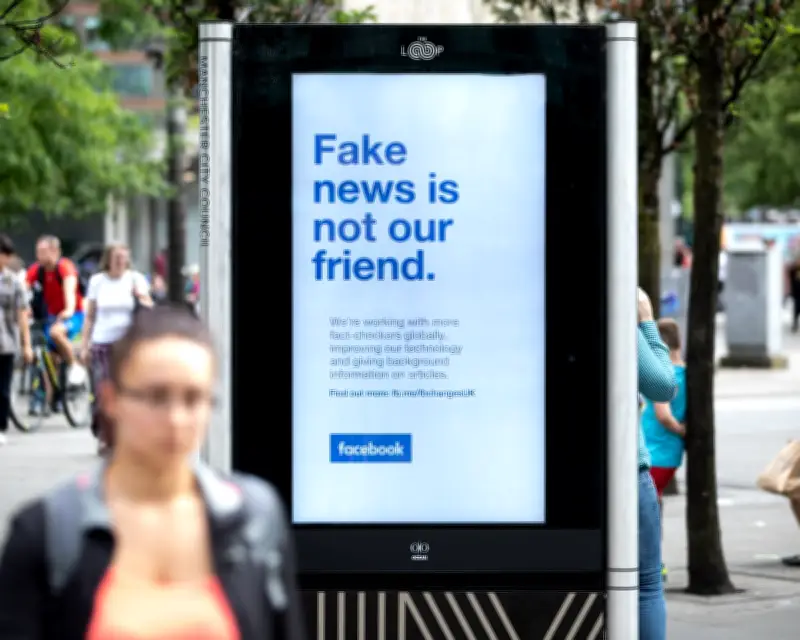
Local social media groups are fueling misinformation in areas with no reliable sources of news, according to an investigation that reveals the scale of fake news flowing to vulnerable communities across Britain. The study, conducted by the Social Market Foundation (SMF), found that misinformation was nearly three times more common in areas with little or no recognized local journalism.
Key Findings from the SMF Report
The analysis, based on over 125,000 social media posts across local Facebook groups, X searches, and Nextdoor communities, uncovered that immigration and Islamophobia were the most common topics of misinformation. Spikes in misinformation were identified around local elections, with a 56% increase in the share of news posts containing misinformation in the run-up to polling day.
Examples of Misinformation
The report highlighted several false posts, including a claim that Birmingham council meetings had stopped being conducted in English entirely, a false expansion of London's congestion charge, and a plan to make the countryside less white. During the recent byelection in Gorton and Denton, southeast Manchester, misinformation was detected in three out of four local groups, with false information relating to the Greens, Reform UK, and Labour.

Impact on Trust and Democracy
Chi Onwurah, Labour chair of the science and technology select committee, described the findings as deeply concerning. She criticized the government for rejecting recommendations on tackling online misinformation, stating that far more must be done to safeguard the public from unreliable online sources. The SMF report warned that local misinformation is a silent killer of trust, affecting how people vote and their perception of institutions.
Government and Platform Responses
The government acknowledged the dangers of online misinformation but emphasized focusing on the most prevalent harms. Meta stated it removes misinformation likely to cause imminent physical harm or interfere with political processes. Nextdoor highlighted its dedicated misinformation policy, while X did not respond to a request for comment.
Call for Action
The report authors urged the government to support local journalism as a defense against misinformation. Theo Bamber of the News Media Association emphasized that a strong local news media sector is vital in combating the growing threat of misinformation on social networks. The findings underscore the need for regulatory frameworks that embed responsibility and transparency into online safety regimes.