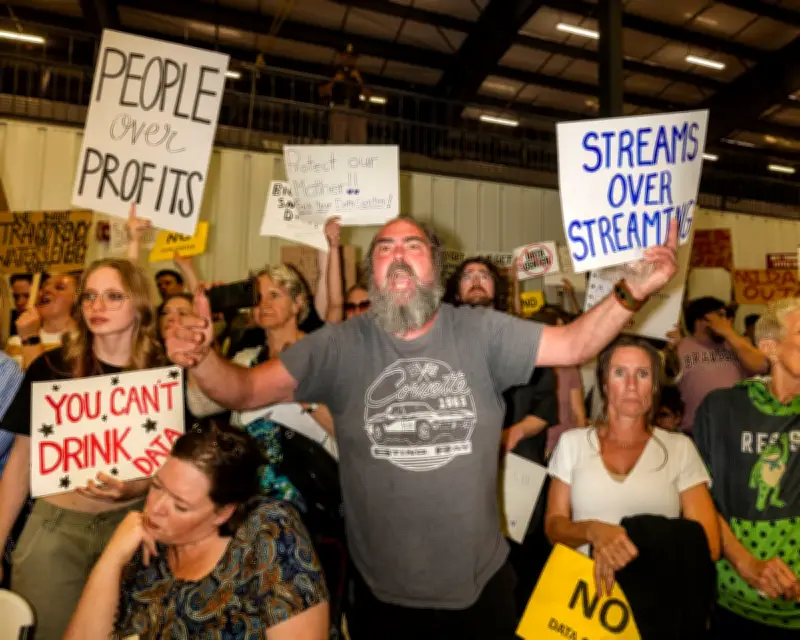
The Box Elder County commission's approval of a massive datacenter in Tremonton, Utah, on 4 May 2026 has ignited a fierce debate over the environmental impact of the artificial intelligence boom. Petitioners reacted emotionally as the decision was announced, highlighting the deep divisions over the project.
The Stratos Development: A Colossal Undertaking
The proposed datacenter, known as Stratos, would span 40,000 acres of rural Utah—twice the size of Manhattan—and is backed by venture capitalist Kevin O'Leary, co-host of Shark Tank and a vocal supporter of Donald Trump. If built, it would double Utah's entire energy consumption and significantly increase water demand, threatening the already shrinking Great Salt Lake.
Local Backlash and Bipartisan Concerns
Residents have voiced fierce opposition at contentious public meetings, citing rising power bills and environmental degradation. Ecologist Ben Abbott noted, "I don't know anyone who wants Stratos. We've seen threats and verbal abuse and fear and anger over this." The controversy is part of a larger national trend, as hundreds of new datacenters fuel the explosive growth of AI, sparking grassroots revolts across the US.

Supporters argue the datacenters are essential to win the AI arms race with China, while critics warn of voracious water use—estimated at 73 billion gallons by 2028 for cooling—and reliance on gas-powered energy that exacerbates climate change. Stratos alone would raise Utah's emissions by about 50%. Another proposed Meta datacenter in Louisiana would require 10 gas-fired power plants to generate 7.2 gigawatts, equivalent to powering 5.7 million homes.
Political and Environmental Implications
The bipartisan nature of the opposition poses an electoral threat to politicians like Trump who back AI expansion. In Utah, Republican leaders have demanded downsizing and assurances that the environment and wallets will be protected. However, the broader question remains: how should society allocate water and energy resources in an increasingly overheated and drought-ridden world? As tools like ChatGPT become ubiquitous, the environmental cost of AI demands urgent scrutiny.