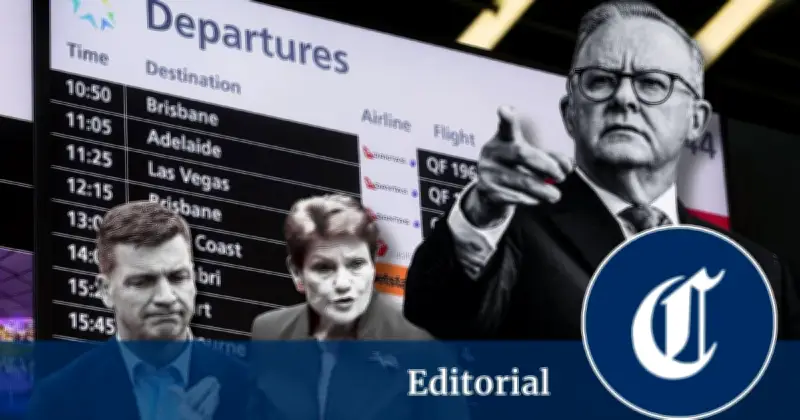
Prime Minister Anthony Albanese has announced a significant reduction in Australia's permanent migration cap, aiming to alleviate pressure on the housing market and infrastructure. The new target, set at 160,000 places per year, down from the previous 190,000, marks a sharp pivot from the government's earlier pro-immigration stance.
Policy Shift Amid Rising Housing Concerns
The decision comes as soaring property prices and rental shortages become central issues for voters. Albanese stated that the cut is a responsible measure to ensure that migration levels are sustainable and that the nation's infrastructure can keep pace with population growth. The move has been welcomed by some industry groups but criticized by others who argue it may exacerbate labor shortages in key sectors.
One Nation's Surge in Polls
Simultaneously, the right-wing One Nation party has seen a notable rise in opinion polls, capitalizing on public discontent over housing affordability and immigration levels. Recent surveys show One Nation's support climbing to double digits, potentially threatening the major parties' dominance in upcoming elections. Political analysts attribute this surge to the party's strong stance on immigration and its ability to tap into voter anxiety about economic pressures.

Labor and the Coalition are now under pressure to address these concerns more forcefully. The Greens have also weighed in, calling for even deeper cuts to migration and stronger investment in social housing.
Reactions and Implications
Business groups have expressed alarm over the migration cap reduction, warning that it could hinder economic recovery and worsen skills shortages in industries like healthcare, construction, and technology. However, housing advocates have praised the move as a necessary step to cool the overheated property market.
Albanese defended the policy shift, emphasizing that the government remains committed to a balanced approach. "We are listening to Australians who are struggling to find affordable housing. This change is about ensuring our migration system works for everyone," he said.
The opposition has criticized the government for being reactive, arguing that the cut is too little, too late. Shadow Immigration Minister Dan Tehan accused Albanese of "panicking" in the face of One Nation's rise, and called for a comprehensive plan to address housing and migration simultaneously.
As the political landscape shifts, all eyes will be on how the major parties navigate the delicate balance between economic needs and public sentiment. The coming months are likely to see heated debate over Australia's migration future.