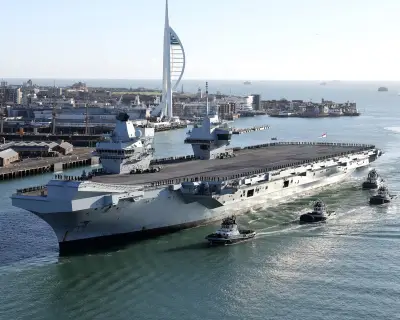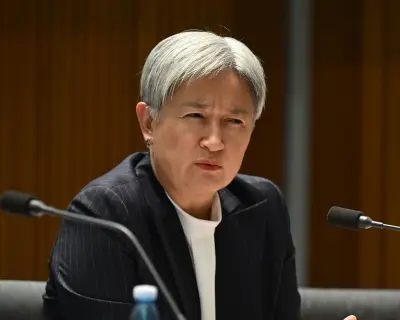
When news broke that Australia will purchase only secondhand nuclear submarines from the United States, it signaled a major shift in the Aukus deal. This development has prompted Emma Shortis, director of international and security affairs at the Australia Institute, to ask: what’s a few secondhand subs between friends?
Background of the Aukus Agreement
The Aukus pact, formed between Australia, the United Kingdom, and the United States, was initially hailed as a cornerstone of defense cooperation in the Indo-Pacific. However, the revelation that Australia will acquire secondhand submarines rather than new ones has raised eyebrows. Critics argue this undermines the original promise of cutting-edge technology transfer and reflects a changing dynamic in the alliance.
Implications for Australia
Emma Shortis notes that the deal now appears less about strategic capability and more about political symbolism. She questions whether Australia is being treated as a true ally or merely a client state. The shift could impact Australia’s defense independence and its ability to project power in the region.

US Treatment of Allies
This episode adds to a growing narrative about how the US treats its allies under the Trump administration. From trade disputes to security commitments, allies have faced unpredictability. Shortis warns that such treatment may erode trust and encourage Australia to diversify its partnerships, particularly with Asian nations.
Reactions from Key Figures
Australian Defence Minister Richard Marles has defended the deal, emphasizing that secondhand submarines will still provide a significant capability boost. Meanwhile, US Defense Secretary Pete Hegseth has framed it as a pragmatic step to accelerate Australia’s submarine fleet modernization. However, opposition voices in Australia argue that the country is paying a premium for outdated technology.
Future of Aukus
The revised deal raises questions about the long-term viability of Aukus. If the US continues to offer secondhand equipment, allies may question the value of the partnership. Experts suggest that Australia should push for clearer commitments and technology transfers to ensure the alliance remains mutually beneficial.
As the debate unfolds, the core issue remains: will Australia stand for how the US treats its allies, or will it seek a more independent path? The answer will shape not only Aukus but also the broader security architecture in the Indo-Pacific.