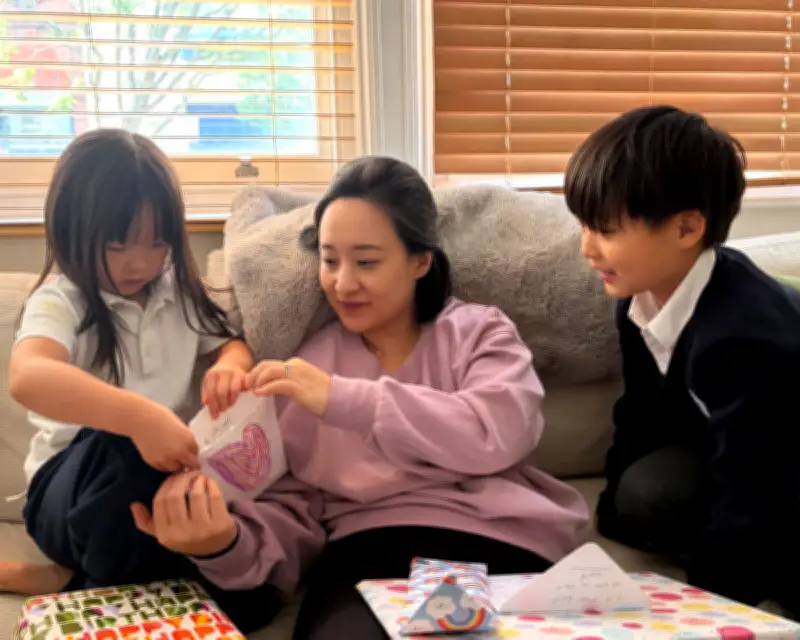
When Catherine Cho's second child was born in 2021, she realized she needed a new system for parenting. Emerging from lockdown, exhausted and overwhelmed, Cho and her husband—a research professor and scientist—had built their own support unit in the UK, far from their families in the US. She had launched a literary agency, planning to return to work when her daughter started nursery at six months. It wasn't ideal timing, but she was eager to begin.
Cho approached parenting with the intensity of a school dissertation, crowdsourcing advice from homeschooling videos, parenting books, and podcasts. She sought mothers who seemed to "have it all" and those who argued it was impossible. Her husband, ever practical, designed a color-coded spreadsheet dividing tasks after her return to work. Initially, it seemed successful, but over time, more responsibilities shifted to Cho, breeding resentment on both sides, exacerbated by night feeds, pumping, and financial pressure from her fledgling business.
Cho shared the viral French comic by Emma about the "mental load"—the invisible labor of managing daily life—with her husband, pointing an accusatory finger. Still, she couldn't find a better system. Finally, her husband suggested they sit down together. He asked her to list everything she was responsible for. They tried to divide tasks equally again but realized tasks often interconnected.

Instead, they decided to split the day into shifts: a morning shift and an afternoon-evening shift. He would take full charge of mornings—breakfast (including groceries), dressing, packing school bags, and drop-off. She would handle pickup onward: dinner, bath time, bedtime. This schedule has worked for years; their son is now eight and their daughter five.
It's not perfect, but it works. There's no "double parenting"; her husband runs mornings his way, and Cho leaves the house to avoid interfering. She noticed he's more relaxed about forgotten items—if there are no breakfast supplies, they grab something on the way to school. Uniforms may be wrong, homework forgotten, but he lets small things slide.
Cho's afternoons and evenings aren't smoother, but she cares more about details. She calls her shift "the dinner rush," reminiscent of her waitressing days. She picks up kids from after-school club, then it's a blur: cooking dinner, eating, piano practice, bath, reading time, bedtime. Many of her clients are in the US, so she works after the children sleep.
Knowing she's only responsible for the afternoon and night allows her to switch off her parenting brain in the morning, freeing mental space. Structure, she says, offers freedom. While families comment that the rota sounds overly regimented, Cho finds it liberating. For now, she's happy to be on the dinner rush.
The Devoted by Catherine Cho is published by 4th Estate (£16.99). To support the Guardian, buy a copy at guardianbookshop.com. Delivery charges may apply.