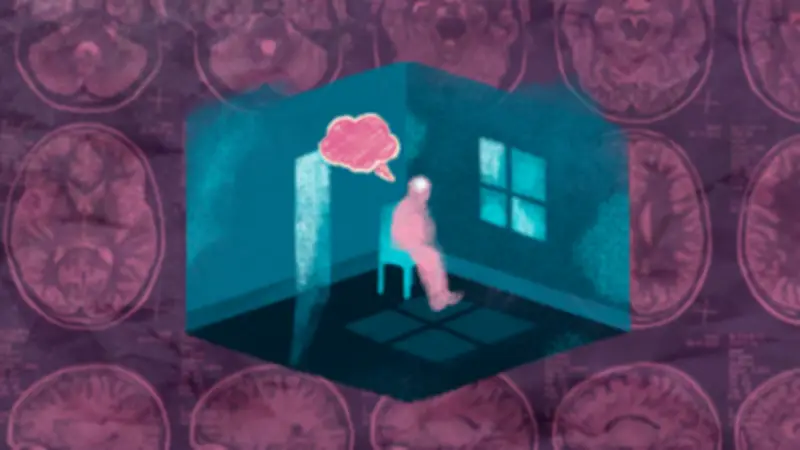
After trauma, some individuals develop post-traumatic stress disorder (PTSD), a mental health condition marked by intrusive nightmares, flashbacks, and physical reactions like a racing heart or difficulty breathing when reminded of the traumatic event. Many with PTSD also develop profoundly negative self-beliefs—intense shame, guilt, and even a sense of responsibility for what happened. For instance, a person who experienced a violent assault may believe they somehow deserved the attack. Such beliefs cause significant distress and drive persistent PTSD symptoms.
How Talk Therapy Works for PTSD
Several evidence-based forms of cognitive therapy, also known as “talk therapy,” effectively treat PTSD by helping reframe these negative self-beliefs. Cognitive processing therapy (CPT) and trauma-focused cognitive behavioral therapy (TF-CBT) are broadly effective, with most people showing meaningful improvement. These therapies equip patients with skills to challenge distorted beliefs through structured dialogue, called cognitive restructuring. A therapist might guide the person to counter the rationale behind a belief (e.g., “Who made the decision to commit the assault?”) or consider alternative perspectives (e.g., “Is there another way of understanding what happened that doesn’t place blame on you?”). Another approach, prolonged exposure (PE), gradually increases exposure to trauma reminders, often combined with reframing techniques.
Why It Doesn’t Work for Everyone
Clinical studies show that after cognitive therapy for PTSD, about one-third of people still have diagnosable PTSD symptoms. While zero improvement is rare, a significant proportion fails to achieve ideal outcomes. Factors include the most severe symptoms, persistent trauma exposure (especially during childhood), and other psychiatric diagnoses like depression or substance use disorders. Some studies also suggest older people, men, racial minorities, and military veterans show less benefit on average, possibly due to factors like higher anger symptoms or lower social support.

Brain Scans Reveal a Key Reason
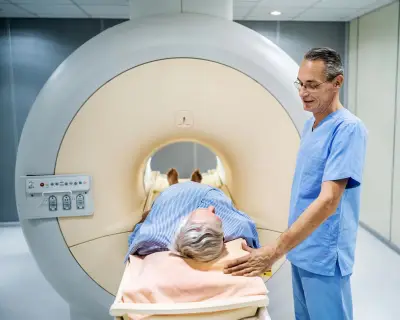
Our recent study provides a neurobiological explanation. We asked 70 people with PTSD and 66 trauma-exposed individuals without PTSD to challenge negative self-beliefs via cognitive restructuring while inside an MRI brain scanner. In those with PTSD, we found their prefrontal cortex—the brain’s “control center”—was worse at regulating activation in the thalamus, a small structure that acts as a relay hub for brain communication. These regions work together to represent abstract information like self-beliefs and update them with new information. Among PTSD participants, those with more severe negative beliefs showed weaker connectivity in this pathway when using restructuring techniques. This weaker connection may hinder the ability to update negative self-beliefs, resulting in less benefit from therapy.
Why Negative Beliefs Get Stuck
Self-beliefs in people with PTSD are often heavily influenced by negative information and events—criticism worsens self-view, but praise doesn’t improve it much. The way PTSD changes brain pathways explains why some people’s self-beliefs are harder to counter with positive reframing. These trauma survivors may understand intellectually they weren’t to blame, but that understanding never shifts the part that still feels responsible, offering little emotional relief.
Alternative Approaches
Some people may need treatments that first address the brain’s wiring needed for talk therapy. Certain evidence-based approaches build emotion regulation skills before cognitive restructuring. A therapist helps improve the ability to deal with negative emotions, learning strategies to tolerate and manage distress, and unpacking how emotions influence interactions. Other emerging evidence suggests therapy using MDMA or ketamine for PTSD may help those who haven’t responded to other treatments by directly influencing brain pathways. Research is exploring safe delivery methods. For some, simply trying different treatments yields better outcomes; what works depends on symptoms or preferences. However, people whose symptoms don’t improve after one first-line intervention are less likely to engage in further treatment.

Other Limitations
People with ongoing or repeated trauma exposure, such as first responders, risk re-traumatization, where past trauma causes heightened reactions to new trauma. Ongoing trauma amplifies symptoms and reduces therapy effectiveness. Cultural factors also shape how well standard therapy fits. Growing evidence supports culturally adapted or group-based approaches (especially for interpersonal trauma like abuse) over the standard one-on-one talk therapy model.