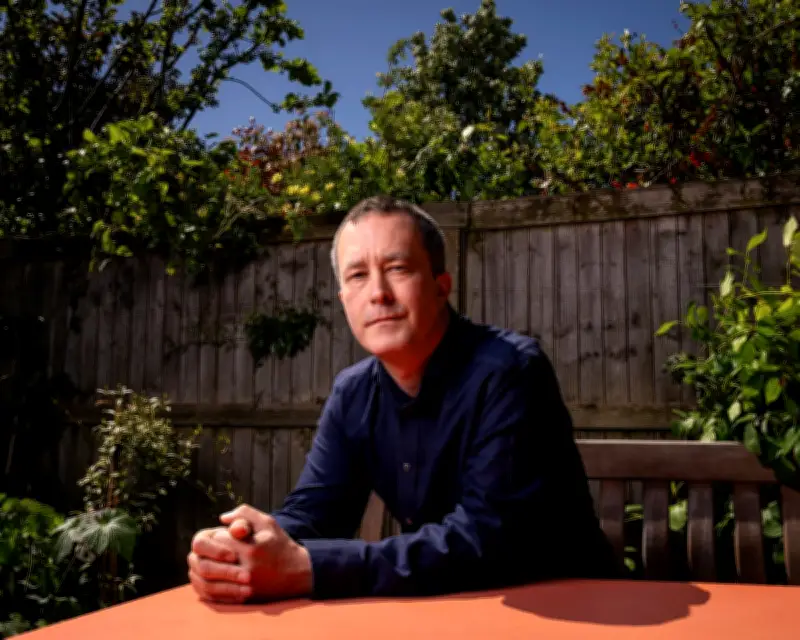
Neurologist Orlando Swayne challenges the long-held belief that brain damage is irreversible, arguing that early, targeted, and intense therapy can lead to remarkable recoveries. In his new book, How to Use a Fork: Stories of Mending the Broken Brain, he presents cases of patients who defied expectations through dedicated rehabilitation.
A Patient's Journey: Claire's Story
Claire, a mother of three in her late 30s, suffered a ruptured brain aneurysm that left her unable to speak, with limited movement. Months after the event, she was curled up on a hospital bed, barely responsive. Swayne, a consultant neurologist at the National Hospital for Neurology and Neurosurgery, met her and noted she could write single-word answers but showed pathological repetition—a sign of frontal lobe damage.
Despite the grim prognosis, Claire began to improve with intensive therapy focusing on positioning, stretching, and speech exercises. Music therapy was a turning point: she started using her right hand to play guitar and shake maracas, showing more facial expressions and initiating choices. After four months, she spoke for the first time in a year, asking Swayne about his haircut. She went on to play Connect 4 with her children and cook, though her left side remained weak.

The Science of Neuroplasticity
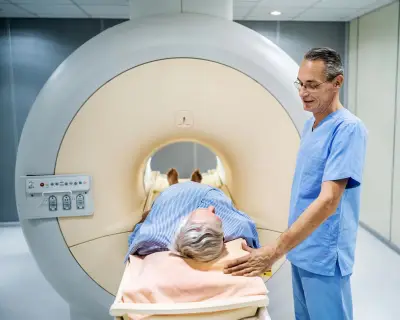
Swayne explains that the brain's ability to reorganize—neuroplasticity—is key. After a stroke or injury, chemical changes trigger neuronal growth, allowing surviving neurons to form new connections. This process is most active in the first few months, but it doesn't stop entirely. Studies show intensive therapy can improve movement even 18 months after a stroke.
However, there are limits. When neural connections are completely lost, therapy cannot restore them. And while brain regions can adapt, they cannot take on entirely new functions. Yet, distributed networks in the brain provide flexibility; for example, the right hemisphere can take over some language functions if the left is damaged.
The Reality of Rehabilitation
Despite the potential, Swayne criticizes the inadequate therapy most patients receive. In the UK, stroke units should provide 45 minutes each of physio, occupational, and speech therapy daily, but audits show patients get far less—often just 14, 13, and 7 minutes respectively. After discharge, community therapy is a postcode lottery, with some areas offering little to no support. This neglect leads to complications and higher long-term costs.
Swayne argues that early intensive therapy is cost-effective. A £40,000 rehabilitation admission can reduce care costs quickly, saving tens or hundreds of thousands of pounds. The same applies to traumatic brain injury, which often leads to invisible cognitive disabilities that affect relationships, employment, and can lead to legal trouble.
Looking Ahead
Researchers are exploring drugs, brain stimulation, and virtual reality to enhance neuroplasticity. Meanwhile, Swayne emphasizes brain health: exercise, stimulating environments, social interaction, and avoiding smoking and excessive alcohol. These practices give the brain the best chance of recovery if needed.
How to Use a Fork: Stories of Mending the Broken Brain is published by Pan Macmillan on 4 June. It offers hope grounded in science, urging a moral and economic obligation to provide proper rehabilitation.