A recent study published in The Lancet Infectious Diseases reveals that a surprisingly simple action—brushing patients' teeth—can significantly reduce the risk of hospital-acquired pneumonia. The research, conducted across three Australian hospitals with nearly 9,000 patients, found that improving oral care reduced the incidence of non-ventilator hospital-acquired pneumonia by 60%.
Understanding Non-Ventilator Hospital-Acquired Pneumonia
Non-ventilator hospital-acquired pneumonia occurs when patients not on ventilators inhale bacteria from the mouth or throat into their lungs. This infection often develops outside intensive care units and is particularly dangerous, extending hospital stays by 10 to 48 days and increasing the risk of death during admission by about eight times. In Australian hospitals alone, approximately 50,000 patients contract pneumonia each year, with around 1,900 fatalities.
The Simple Intervention That Made a Big Difference
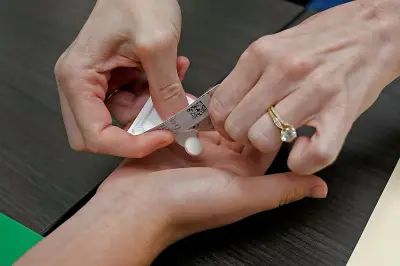
The study implemented a straightforward intervention: providing patients with a toothbrush and toothpaste upon admission, educating both patients and staff about the importance of oral hygiene, and offering assistance to those unable to brush independently. The toothbrushes carried the prompt "Brush away pneumonia." The program also included audits and feedback on oral care delivery. Over 12 months, the intervention was rolled out ward by ward at each hospital, increasing the proportion of patients who brushed their teeth from 16% to 62%. This led to a dramatic reduction in pneumonia cases—from eight infections per month on a typical 30-patient ward to fewer than four.

Why Toothbrushing Works
The mouth hosts billions of bacteria. Illness, sedation, immobility, and certain medications can deteriorate oral hygiene, allowing bacteria to accumulate on teeth, gums, and tongue. When these bacteria are inhaled, even in tiny amounts, they can cause pneumonia. Daily toothbrushing mechanically removes this bacterial load, providing a powerful protective effect. Despite its simplicity, oral care is often overlooked in busy hospital settings due to competing priorities and a lack of awareness about its importance.
Patients Can Take Action
Patients are not powerless in preventing this infection. Those who are able can brush their own teeth twice daily. If assistance is needed, they can ask hospital staff for help. Bringing a personal toothbrush and toothpaste to the hospital and reminding staff if oral care is missed are small steps that can significantly reduce the risk of life-threatening pneumonia.
Implications for Hospitals and Policy
Non-ventilator hospital-acquired pneumonia is costly in terms of lives, extended hospital stays, and financial burden, yet it is not routinely monitored or reported. This research challenges the notion that such infections are inevitable and underscores the need for hospitals to track them as they do other preventable harms like falls and pressure injuries. The findings also support including oral care in national infection-prevention guidelines and nursing practice. As the study concludes, oral care may not be glamorous or high-tech, but it is effective. Sometimes the simplest interventions are the most powerful.