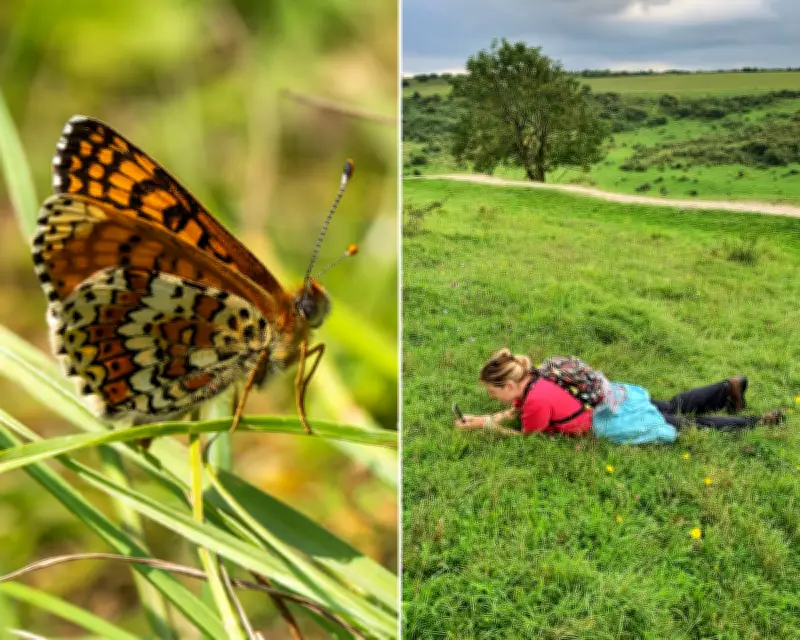
A new play, Butterfly, shines a light on the tragic story of Eleanor Glanville, a pioneering female naturalist whose passion for butterflies was weaponized against her by her abusive husband. The play, written by Claire Jackson, premieres at the Phoenix Theatre in Bordon, Hampshire, on June 5 and 6.
Eleanor Glanville: A Pioneer Persecuted
Eleanor Glanville is the only real person whose surname endures as the common name of a British butterfly, the Glanville fritillary, a rare species she discovered in the late 17th century. Despite her contributions to natural history, she suffered a violent, money-grabbing second husband who seized her estate after a judge overturned her will, ruling that she was "deprived of her senses" for roaming the countryside in search of butterflies.
Modern Retelling
Jackson cleverly translates this 17th-century abuse to the 21st-century manosphere. In the play, Eleanor's love of finding rare butterflies serves as an escape from her unpleasant spouse Richard. She reluctantly sees a psychiatrist, Dr. Godrick, only because her lawyer suggests it will help her acrimonious divorce. The play depicts how Eleanor's passion is manipulated, as she is gaslit, belittled, and shamed on social media by Richard, who never appears on stage.

Inspiration and Themes
Jackson drew inspiration from an opera about Jack the Ripper where the killer never appears, making the story more impactful. She also cites Alan Bennett as her "God" for his sparky dialogue. Jackson herself reconnected with butterflies after struggling with depression and bipolar disorder, finding that each walk was elevated by a butterfly sighting.
The play is structured in four acts corresponding to a butterfly's life cycle: egg, caterpillar, chrysalis, and butterfly. It explores themes of gaslighting, neurodiversity, and the joy of nature. Sally McIlhone, who plays Eleanor, praises Jackson's monologues for vividly conveying the uncertainty of being gaslit.
Challenges for Women in Butterfly-Watching
Jackson notes that while Butterfly Conservation has 49% female membership, she has experienced sexist attitudes from male obsessives and believes there is still work to be done to tackle sexism in butterfly communities. She also highlights that safety concerns remain a barrier for women enjoying solo butterfly-seeking.
The play ends with a hopeful note: Eleanor's legacy endures through the butterfly that bears her name. As McIlhone says, "She may have lost the battle, but she won the war. It's her butterfly legacy that was most important."